
Buckets & structural attachments
Review the connection and structure before evaluating working capacity.
- Mounting dimensions and alignment
- Weld appearance and specified reinforcement
- Wear parts, fasteners and component clearance
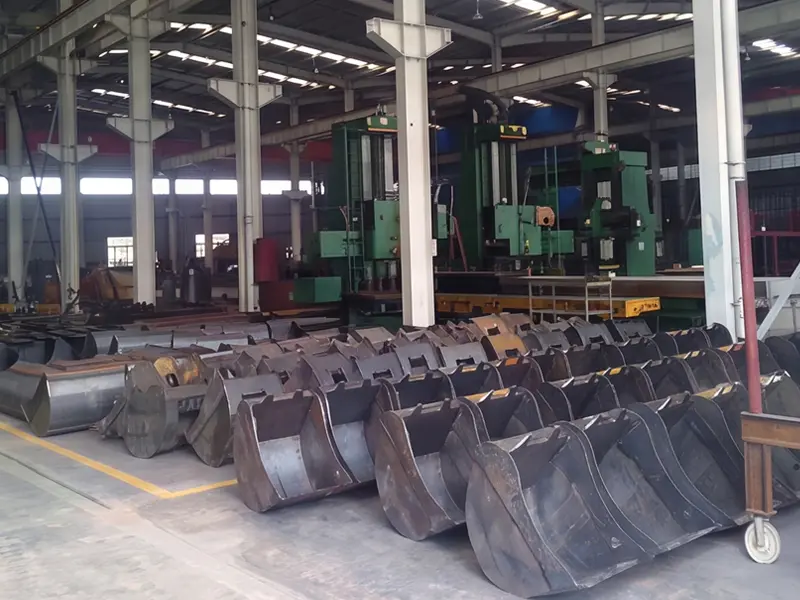
A complete attachment combines more than a steel structure. Fabrication, precision machining, hydraulic components and agricultural drive systems each need the right assembly and inspection approach. Follow the process from the product drawing to packing preparation.
Explore the processThe workflow links the product specification, mounting requirements, manufacturing steps and final order review.
Identify the product type, working material or crop, machine model and required size or output. Record the selected specification and any custom requirements.
Review mounting drawings and dimensions. Hydraulic tools need the appropriate circuits; PTO implements need matching speed, hitch and lifting capacity.
Specify the material, component geometry and welding requirements appropriate to the agreed design. Wear parts and structural parts serve different purposes.
Assemble the structural, hydraulic or mechanical drive components required by the design. Inspect the completed unit against the product-specific checklist below.
Review the selected model, quantity, finish, marking and supplied components against the order requirements.
Select the package and securing method for the product dimensions and weight. Prepare the packing list and shipment information for the agreed destination.
Manufacturing reference · Structural fabrication
Plate cutting, forming and welding establish the load-bearing structure. Material grade and thickness, reinforcement positions and replaceable wear parts follow the product drawing and working duty. Attention to weld access and component alignment helps maintain consistency across the assembled structure.
Manufacturing reference · Precision machining
Pins, mounting holes, bushes and component mating surfaces need controlled dimensions and alignment. Machining follows the drawing requirements for tolerances and surface condition, helping the assembled parts fit together and supporting replacement-part interchangeability within the specified design.
Manufacturing reference · Hydraulic components & assembly
Cylinders, motors, valves and hoses are selected and assembled to suit the hydraulic tool. Port sizes, seal compatibility, hose routing and moving-part clearances are considered together. Powered agricultural implements also need the appropriate gearbox, shaft, bearing and guard arrangement for their drive system.
Manufacturing reference · Function & hydraulic checks
Functional checks follow the tool design and operating requirements. Depending on the product, these may cover cylinder movement, rotation, locking, leakage and drive operation under specified test conditions. The four product groups below show how inspection priorities differ.
Manufacturing reference · Surface preparation & finishing
Surface preparation removes contamination and prepares the specified parts for coating. Finish requirements cover paint colour, coverage and identification, with attention to exposed edges and areas affected by handling. Transport securing and package information are covered separately in the packing section.
The checklist changes with the product. Structural fit, hydraulic operation and agricultural drive requirements are reviewed against the selected drawing and configuration.
Review the connection and structure before evaluating working capacity.
Set checks to the tool: a breaker, grapple and quick coupler require different operating procedures.
Distinguish tractor engine power from PTO power when reviewing drive requirements.
Match the checklist to the transport configuration and intended use.
These are the details to provide when selecting a product or requesting a quotation. Manufacturing inspection is covered in the product-check section above.
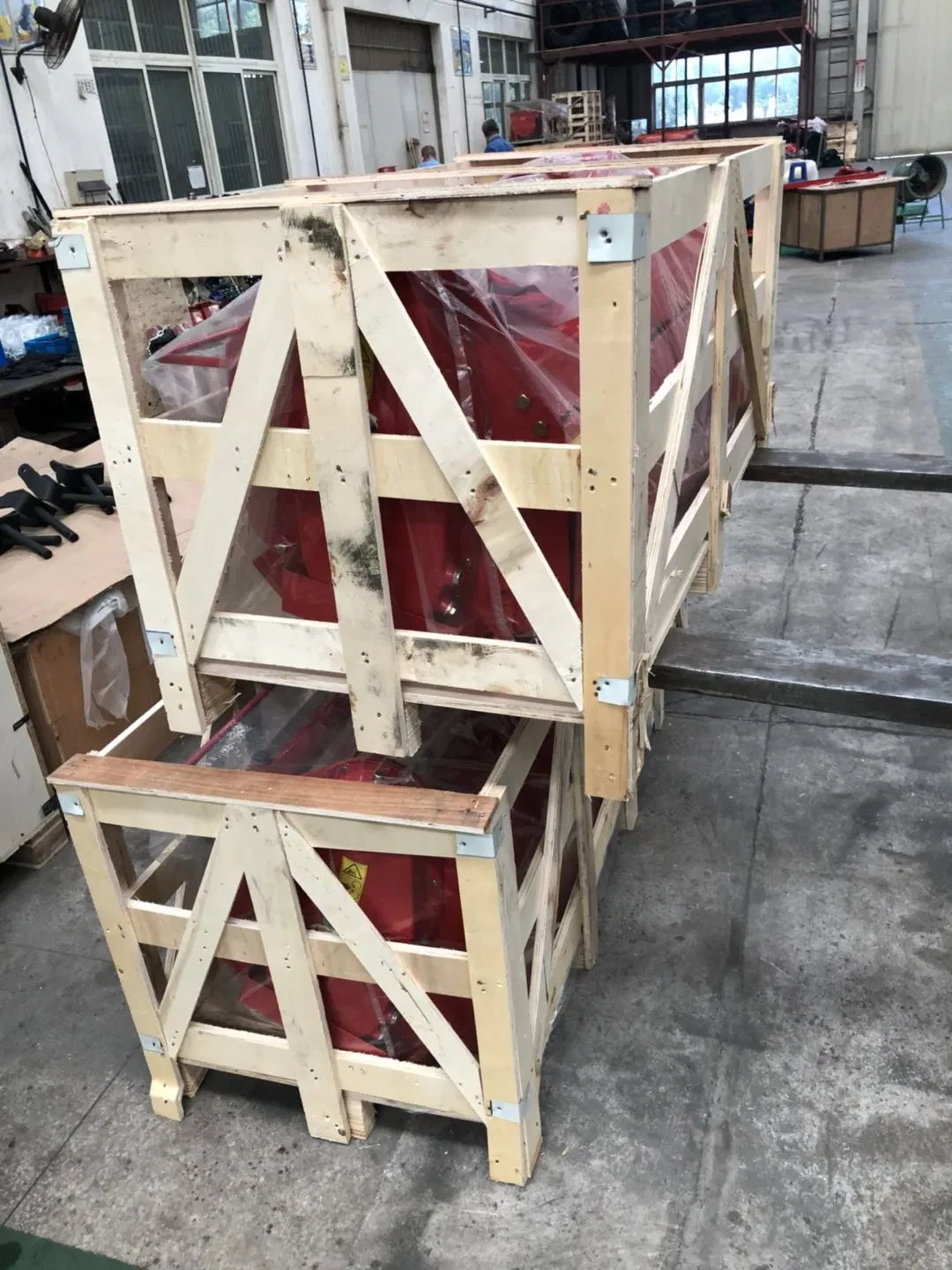
Packing is selected around the product size, weight, surface finish and supplied components. Pallets, steel frames or reinforced crates provide handling support; vulnerable surfaces and loose accessories need separate protection and identification.
Send the product type, machine model, quantity and destination. For a custom configuration, include a drawing or a dimensioned photograph. Our buying guide explains which information helps define the quotation.
Read the buying guideSend the product type, machine model, quantity and destination. Include drawings or photographs when they help explain your requirements.
 Chat on WhatsApp