
Soil inversion
A mouldboard plough turns the soil. Choose this operation when inversion forms part of the cultivation system; it is different from non-inversion loosening.
View Reversible ploughTurn soil, loosen compacted layers and prepare a seedbed. Choose the operation before choosing the implement.
Explore Suitable Products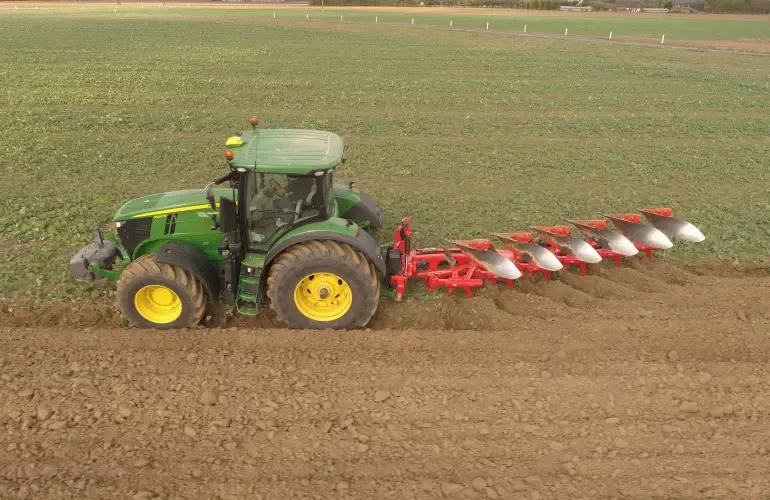
A mouldboard plough turns the soil. Choose this operation when inversion forms part of the cultivation system; it is different from non-inversion loosening.
View Reversible ploughRotary tillers and power harrows work the soil with different rotor arrangements. Select the implement for the required soil finish and tractor PTO supply.
View Rotary tillerA subsoiler loosens compacted layers with tines. It does not replace a fine seedbed preparation operation. Check the required depth and tractor traction.
View Subsoiler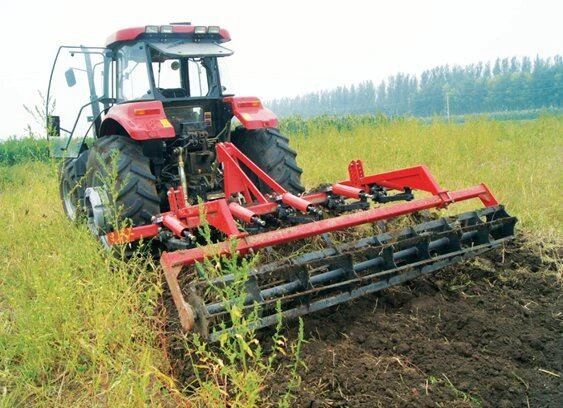
Include soil texture, compaction, stones and crop residue. The suitability of each implement depends on these conditions.
Soil inversion, residue mixing, deep loosening and seedbed finishing are separate operations. More aggressive cultivation is not always the required result.
Match hitch category, lifting capacity and available power. PTO-driven equipment also requires the specified PTO connection and speed.
Open a product to view its features, specifications and installation requirements.
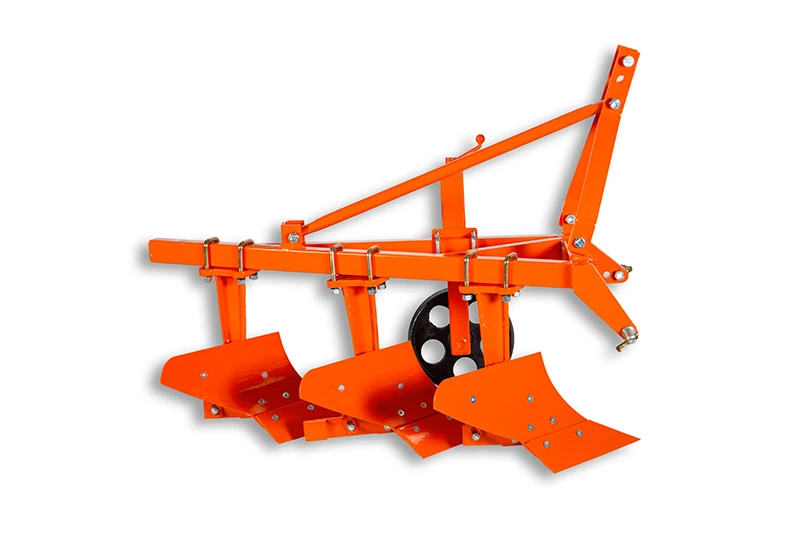
A rear-mounted mouldboard plough for primary tillage, turning furrows and burying surface residue before field preparation.
View Product & Specifications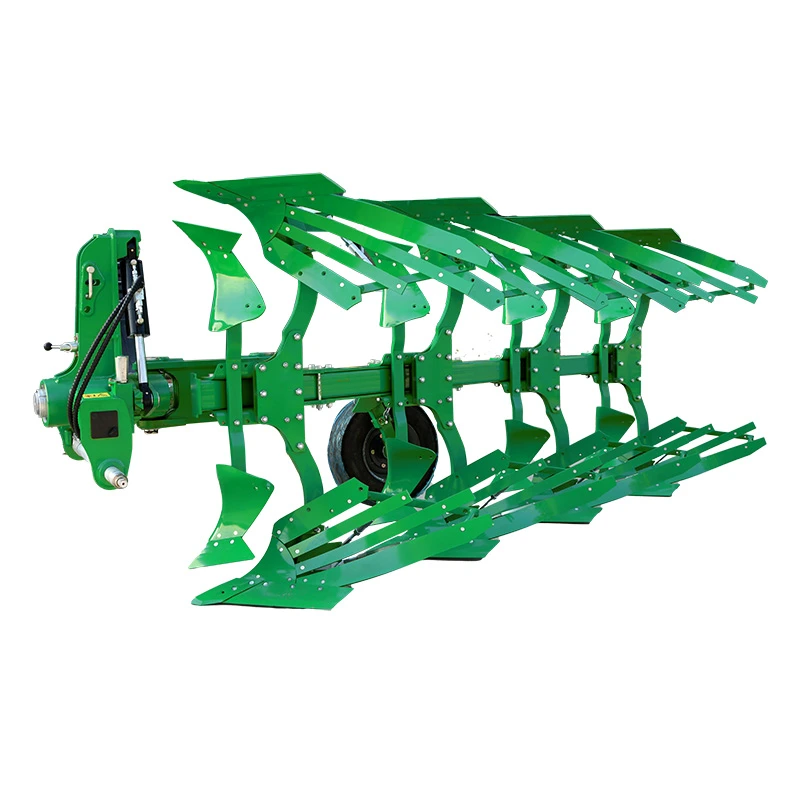
A reversible mouldboard plough with two opposing sets of plough bodies.
View Product & Specifications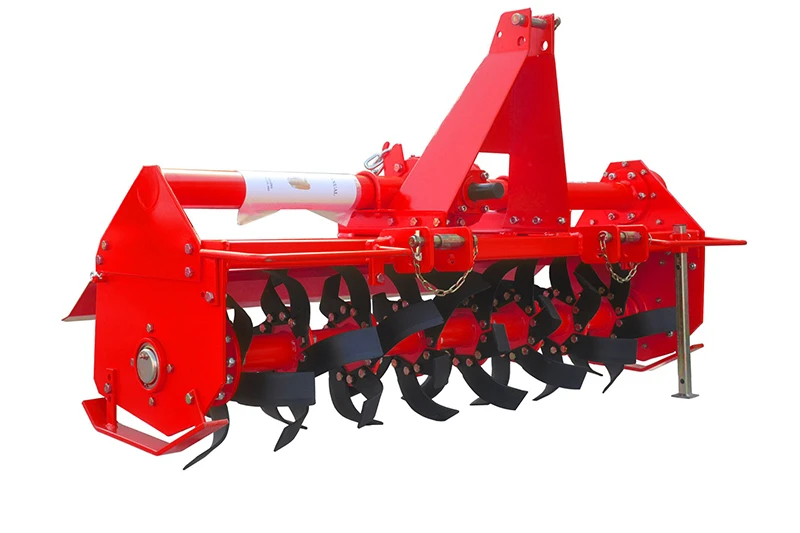
A tractor-mounted implement with a PTO-driven horizontal rotor for breaking clods, mixing the upper soil layer and preparing seedbeds.
View Product & Specifications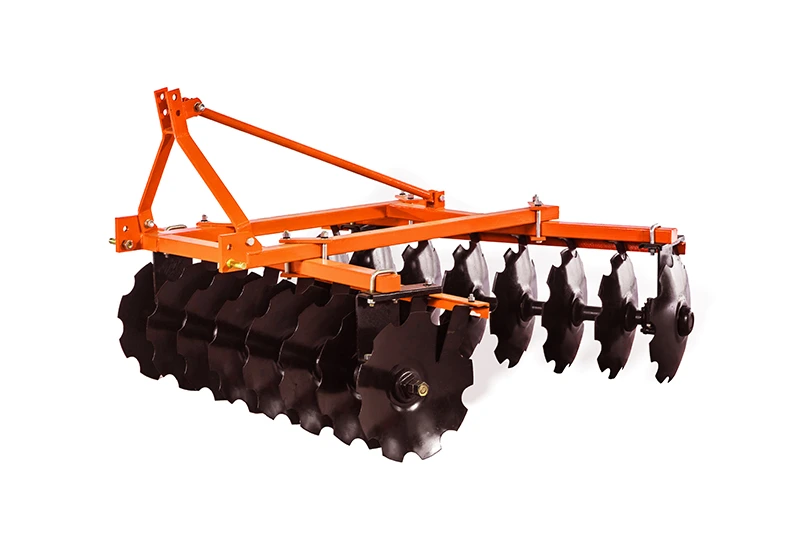
A mounted disc harrow for breaking clods and mixing surface residue during secondary tillage.
View Product & Specifications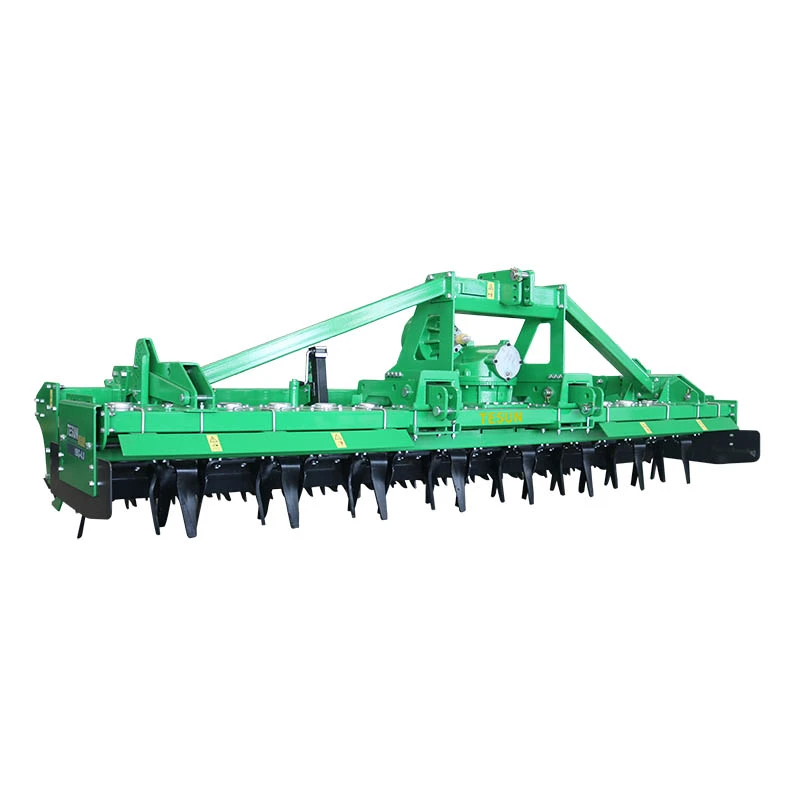
A PTO-driven vertical-rotor power harrow for breaking clods, levelling soil and preparing a seedbed.
View Product & Specifications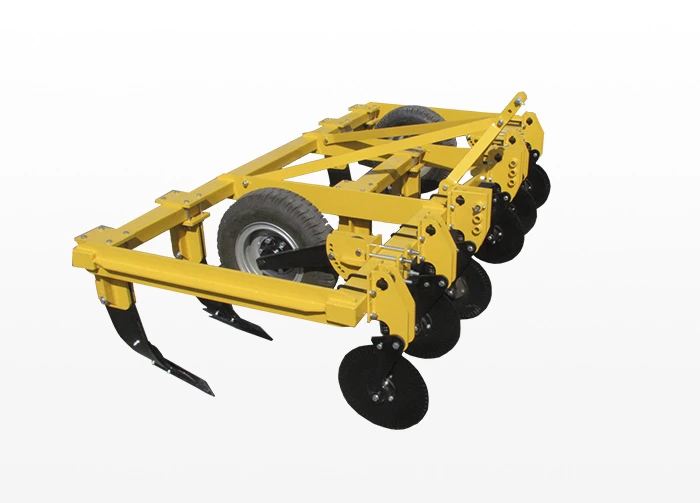
A deep soil loosener with ground-engaging shanks for working below the normal cultivated layer.
View Product & SpecificationsThese details help narrow the product selection. Confirm the final configuration against the selected product specifications.
No. A mouldboard plough turns the soil, while a rotary tiller cultivates it with rotating blades. They may perform different stages of a cultivation programme.
No. Rotary tillers and power harrows use PTO drive; ploughs and many tine implements rely on tractor traction. Check the individual specifications.
Send tractor make and model, available power, soil conditions, crop residue and the intended working width and depth. Include hitch and PTO information where relevant.