

Deep-working shanks
The shanks loosen soil at the specified working depth without a rotary tilling mechanism.
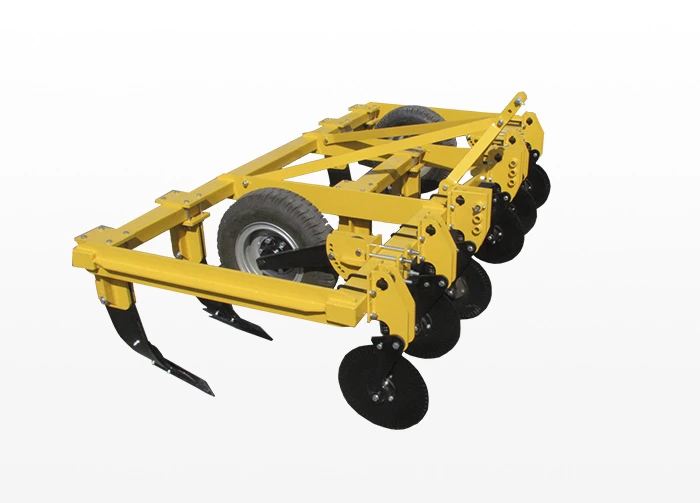
A deep soil loosener with ground-engaging shanks for working below the normal cultivated layer.
A deep soil loosener with ground-engaging shanks for working below the normal cultivated layer.
The shanks loosen soil at the specified working depth without a rotary tilling mechanism.
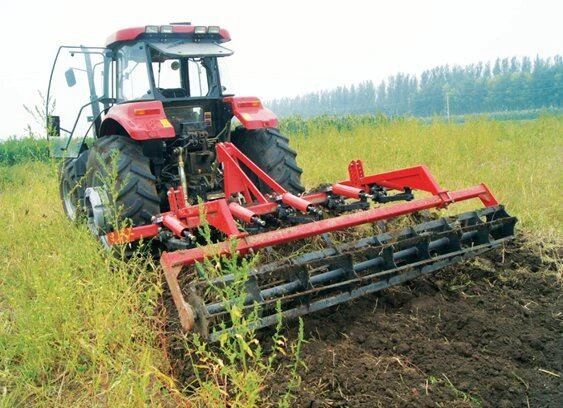
The 1LHSX series lists a consistent shank spacing across its different working widths.
Each width has its own implement weight and matched tractor-power range.
|
Model |
JY-1LHSX-1800 | JY-1LHSX-2700 | JY-1LHSX-3600 |
|
Spacing(mm) |
450 |
450 |
450 |
|
Working width(mm) |
1800 |
2700 |
3600 |
|
Working depth(mm) |
450 |
450 |
450 |
|
Weight (Kg) |
1200 |
1500 |
1800 |
|
Matched power (hp) |
100-150 |
160-180 |
200-250 |
Before ordering, send the machine identification and the connection, power and working information relevant to this product.
Compare the model-specific tractor-power range, implement weight and the traction required in the actual soil.
Match the actual rear linkage and lifting capacity to the chosen frame and working width.
Check tine count, tine spacing, working depth and turning space at the field ends.
Describe soil texture, moisture, residue and field access. This family works through tractor movement without a PTO-driven rotor.
No. The shanks are passive ground-engaging tools. Their soil-working action comes from tractor traction, not a PTO-driven rotor.
Check tine count, tine spacing, working depth and turning space at the field ends.
Compare the model-specific tractor-power range, implement weight and the traction required in the actual soil. Match the actual rear linkage and lifting capacity to the chosen frame and working width.
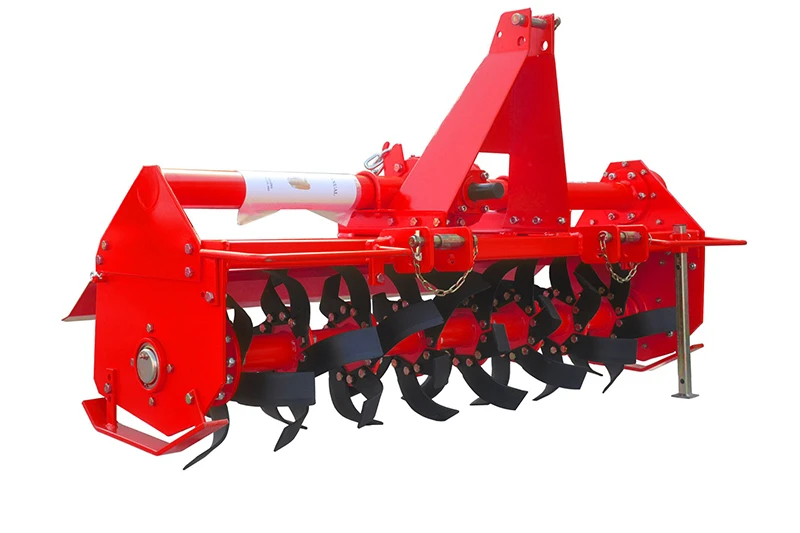
A tractor-mounted implement with a PTO-driven horizontal rotor for breaking clods, mixing the upper soil layer and preparing seedbeds.
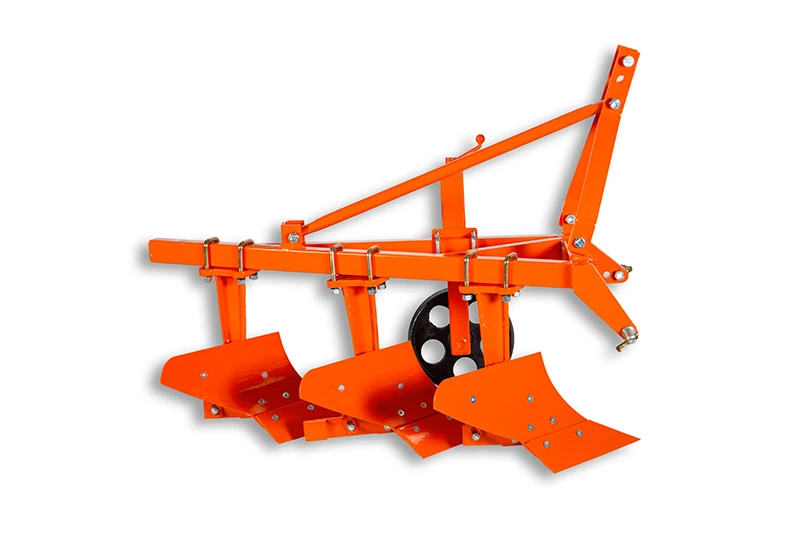
A rear-mounted mouldboard plough for primary tillage, turning furrows and burying surface residue before field preparation.
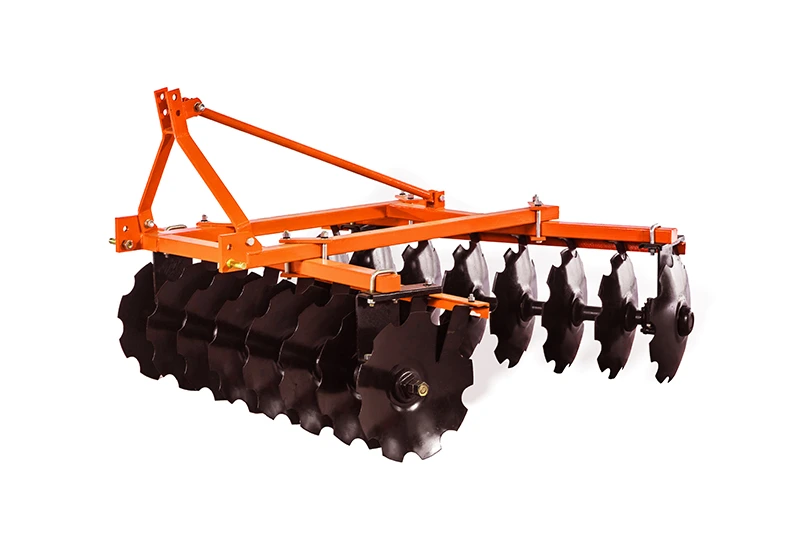
A mounted disc harrow for breaking clods and mixing surface residue during secondary tillage.