
Attachment changes
Decide whether manual or hydraulic locking suits the tool-change routine.
Compare the working mechanism, intended material and machine connection for quick couplers & tiltrotators.
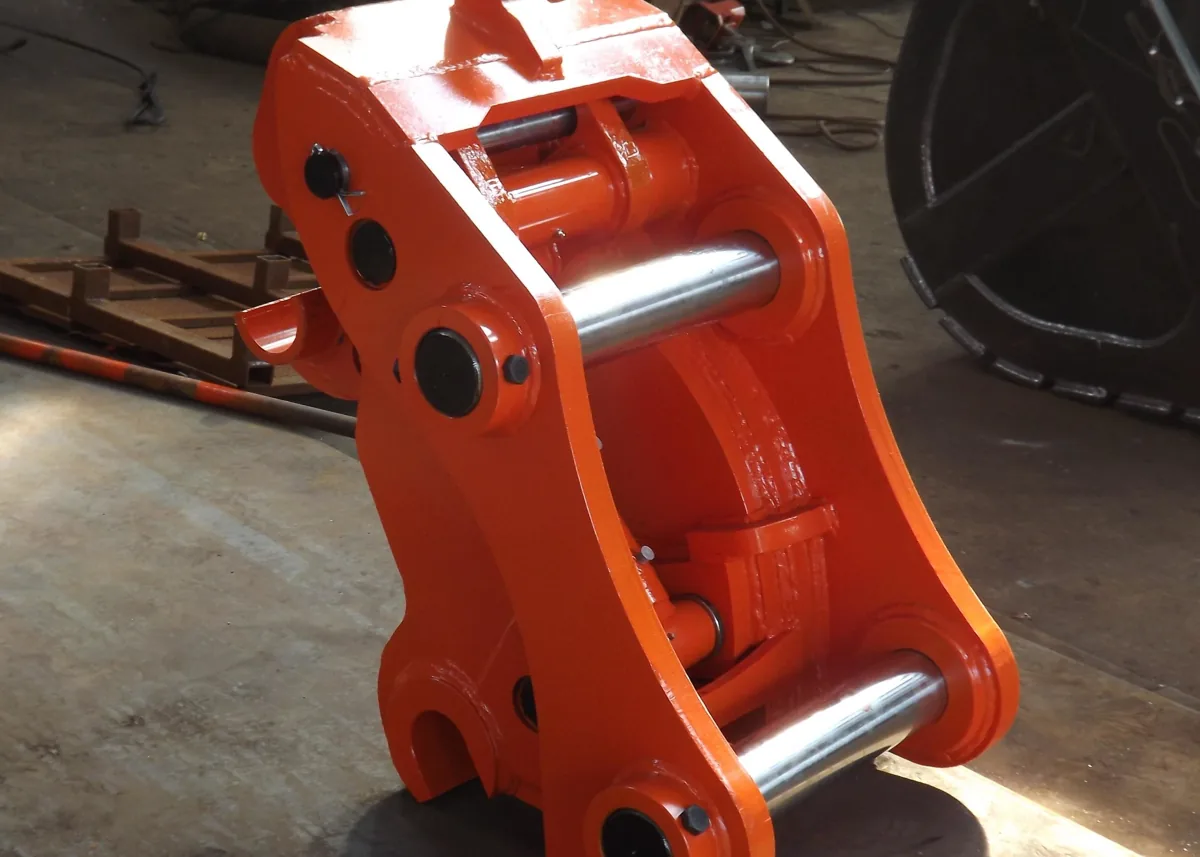
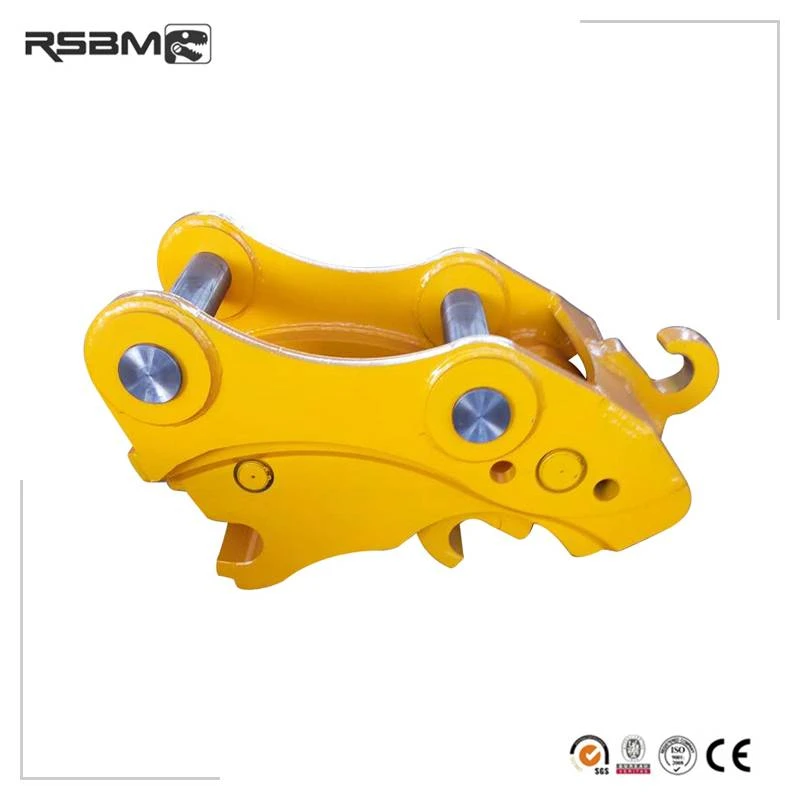
Compare manually operated and hydraulically operated locking for compatible working tools.
Mechanical quick coupler, Hydraulic quick couplerView matching product types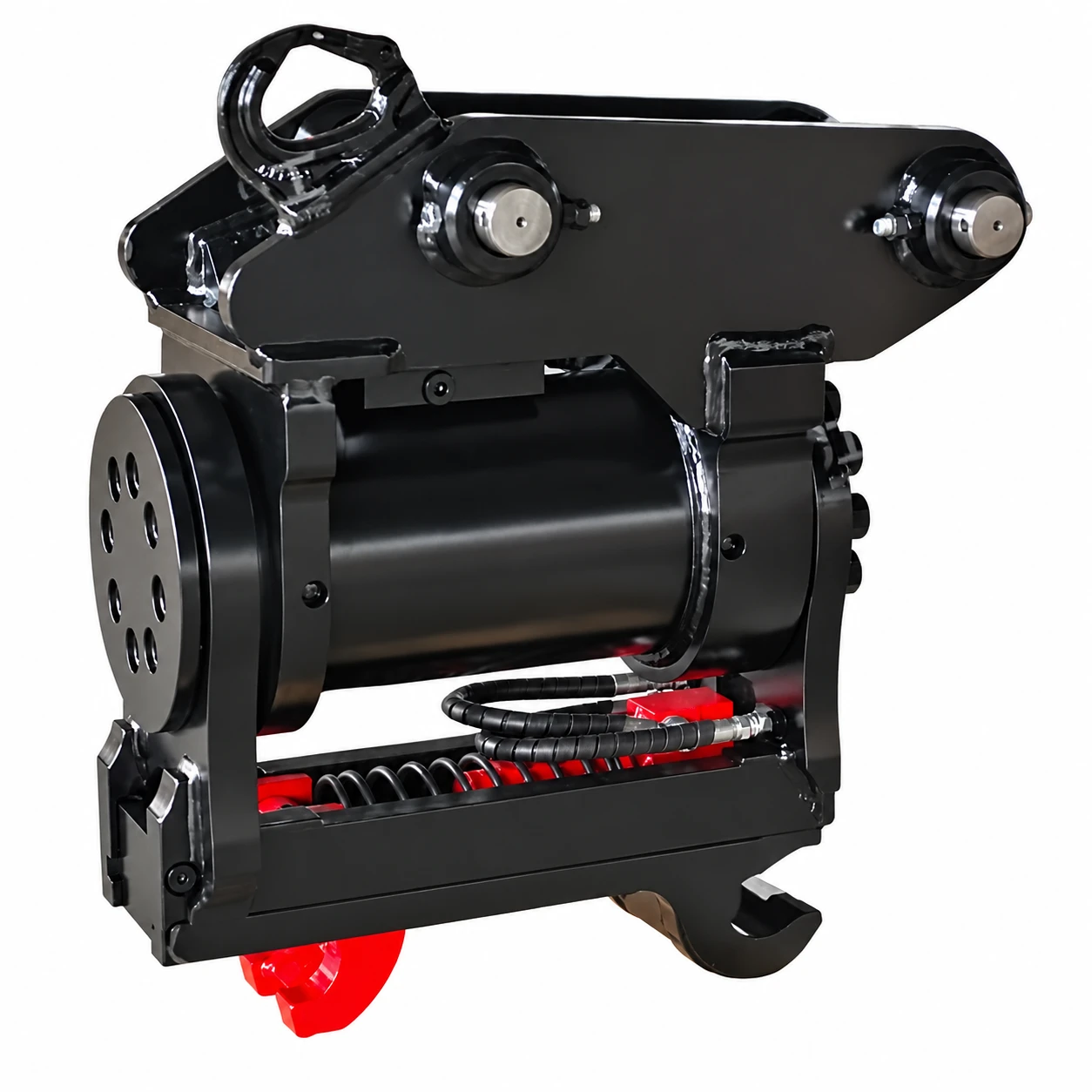
Tilt the working tool for slopes, ditch profiles and surface finishing.
Tilting quick couplerView matching product types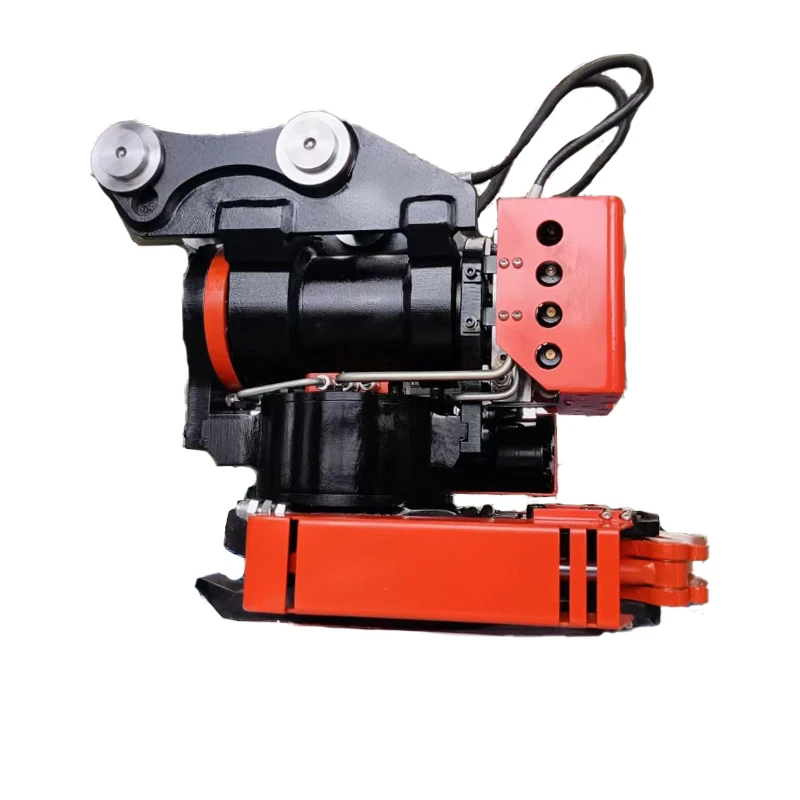
Combine tilt and rotation when the job needs more tool orientation.
TiltrotatorView matching product types| Product type | Purpose & applications | Key checks | Product information |
|---|---|---|---|
| Mechanical quick coupler | A manually operated pin-grabber coupler for changing compatible excavator buckets and attachments. Compare pin diameter, pin centres and mounting width, then confirm the locking arrangement for the selected machine. | Pin dimensions, manual locking and tool clearance. | View product & specifications |
| Hydraulic quick coupler | Change compatible pin-mounted buckets and tools with hydraulically operated locking. Check both the mounting dimensions and locking arrangement. | Both mounting interfaces, locking hydraulics and controls. | View product & specifications |
| Tilting quick coupler | A hydraulic tilting coupler for angling compatible buckets and attachments during grading and finishing. Compare the tilt and locking hydraulic circuits separately; tilt angles vary with the configuration. | Both mounting interfaces, tilt hydraulics and added weight. | View product & specifications |
| Tiltrotator | Combine tilt and rotation to position compatible tools around obstacles and finish surfaces from different directions. | Upper/lower interfaces, tilt/rotation supply and controls. | View product & specifications |
Decide whether manual or hydraulic locking suits the tool-change routine.
Separate the need for tilt from the need for continuous rotation.
List the buckets and powered tools that will share the lower interface.
Consider the extra connection height and weight before choosing a positioning mechanism.
Before ordering, send the machine identification and the connection, power and working information relevant to this product.
Check the excavator end and attachment end separately.
Confirm pin dimensions, locking system and operating checks.
Powered locking, tilt and rotation may need different circuits.
Review tool weight, geometry and operating clearance.
A manual mechanism is operated at the coupler; a hydraulic mechanism uses the specified machine circuit and controls. Both require proper locking and retention checks.
A tilting coupler changes the tool angle. A tiltrotator adds a separate rotation function for directional positioning.
Compare each tool’s pin diameters, pin centres, width, locking engagement and clearance with the selected lower interface.
No. Check the mounting connection, lifting limits and the power or hydraulic supply specified for the selected tool.
Describe the material, required result and working dimensions. Include the machine model and the connection information listed above.
Send your machine make and model, the required product and working task, quantity and delivery destination.