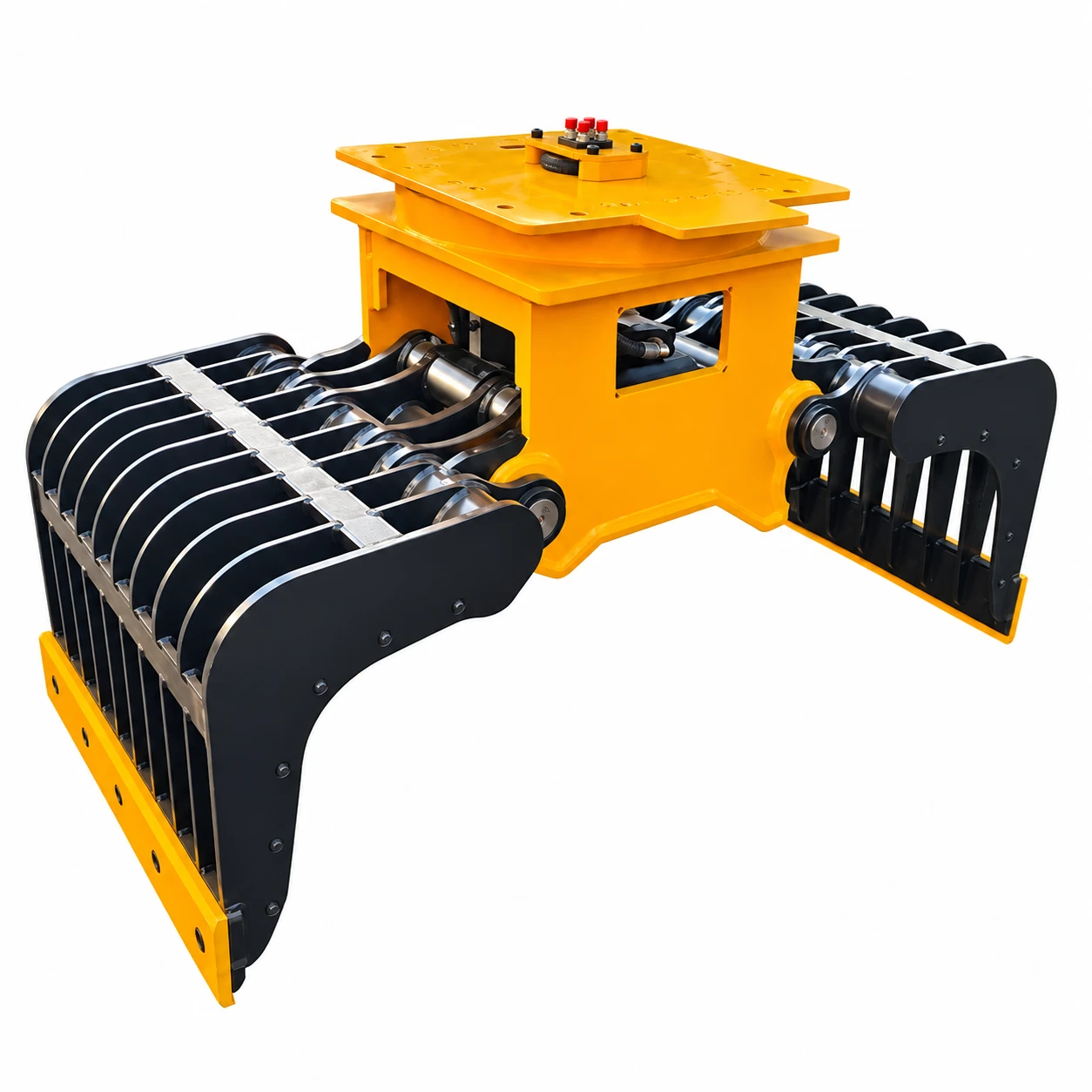
Demolition & sorting grapple
A grapple with wide, slotted jaws for sorting and handling demolition debris and recyclable material. Compare jaw dimensions and the hydraulic requirements for the selected mounting and rotation configuration.
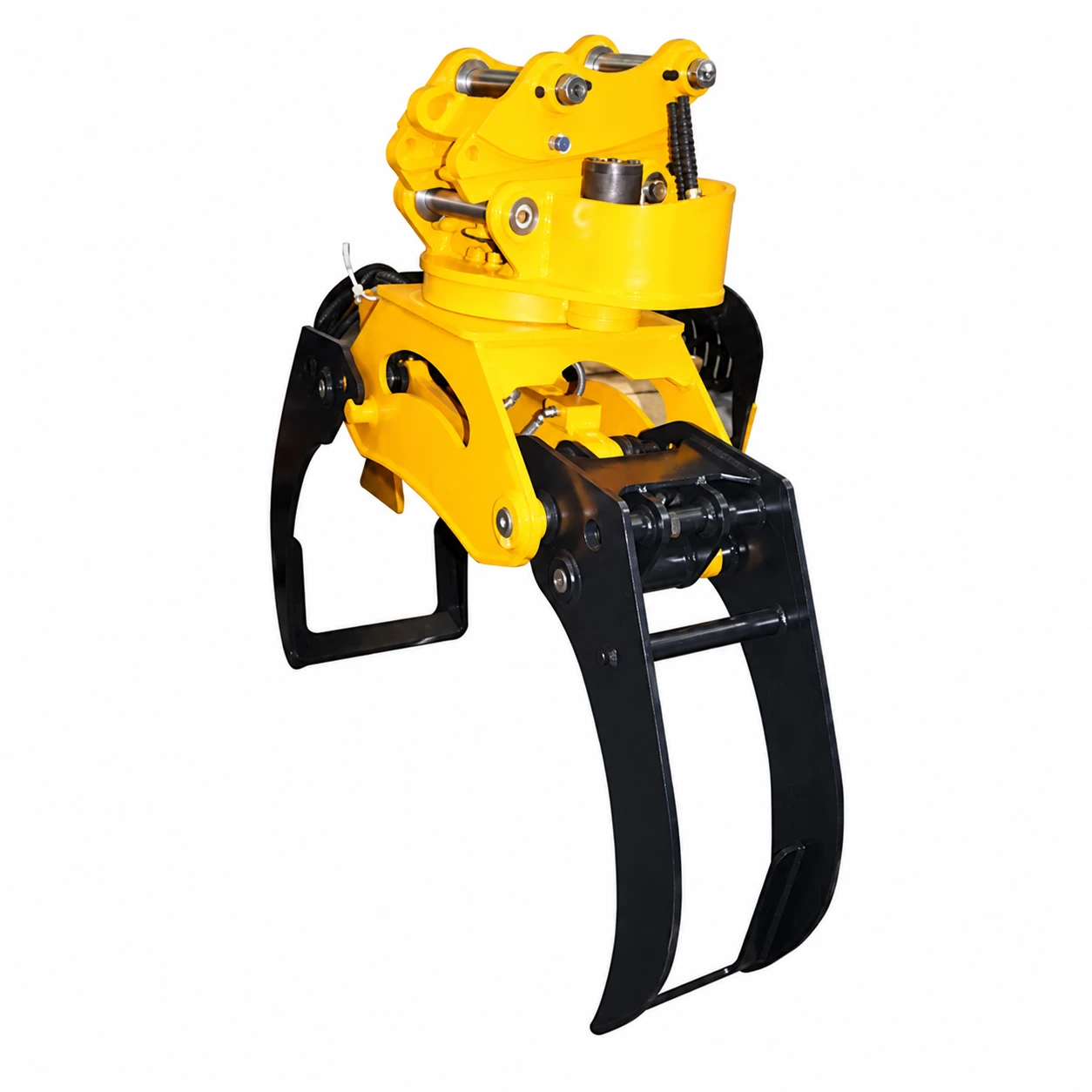
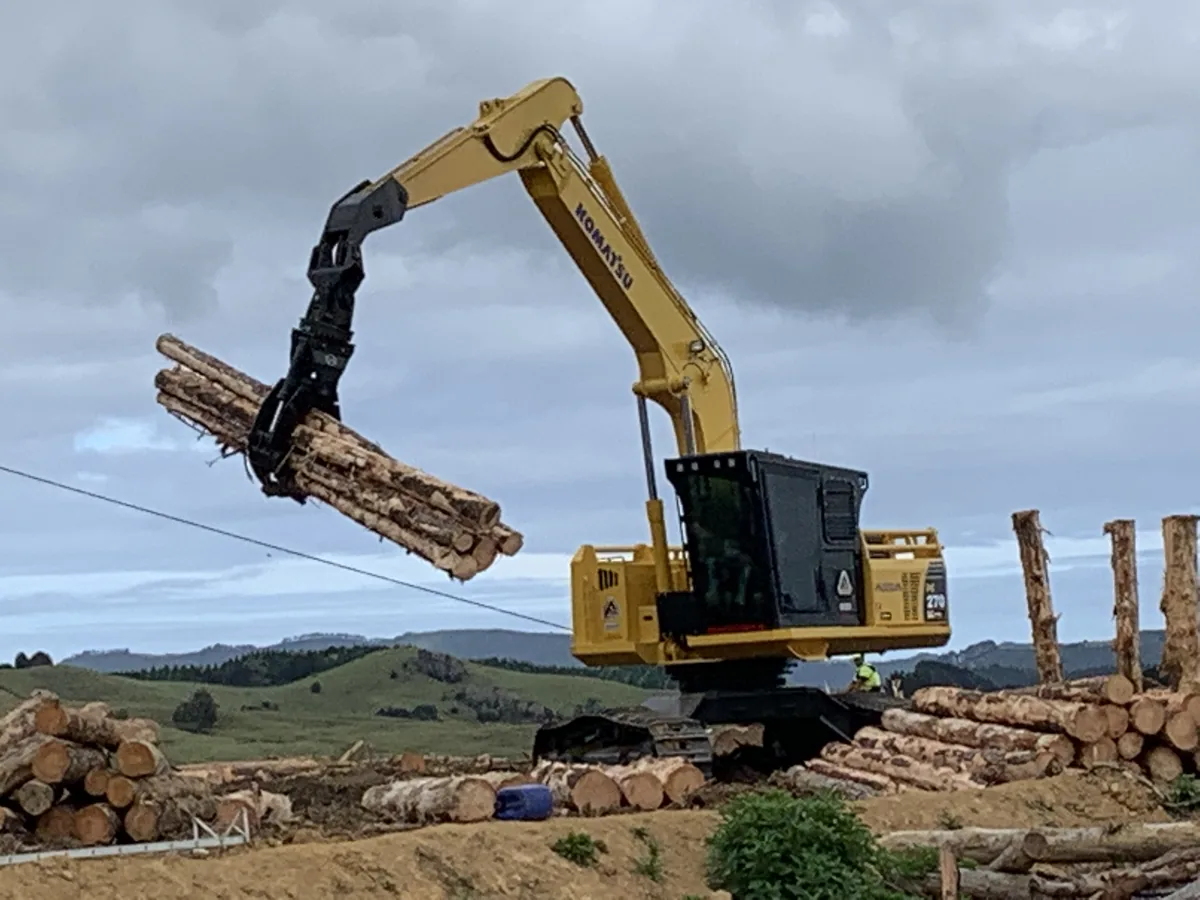
Grip, sort and position logs, scrap and loose material. Open a product to review its design, applications and installation requirements.

Compare the purpose and main applications, then open the product information.

A grapple with wide, slotted jaws for sorting and handling demolition debris and recyclable material. Compare jaw dimensions and the hydraulic requirements for the selected mounting and rotation configuration.

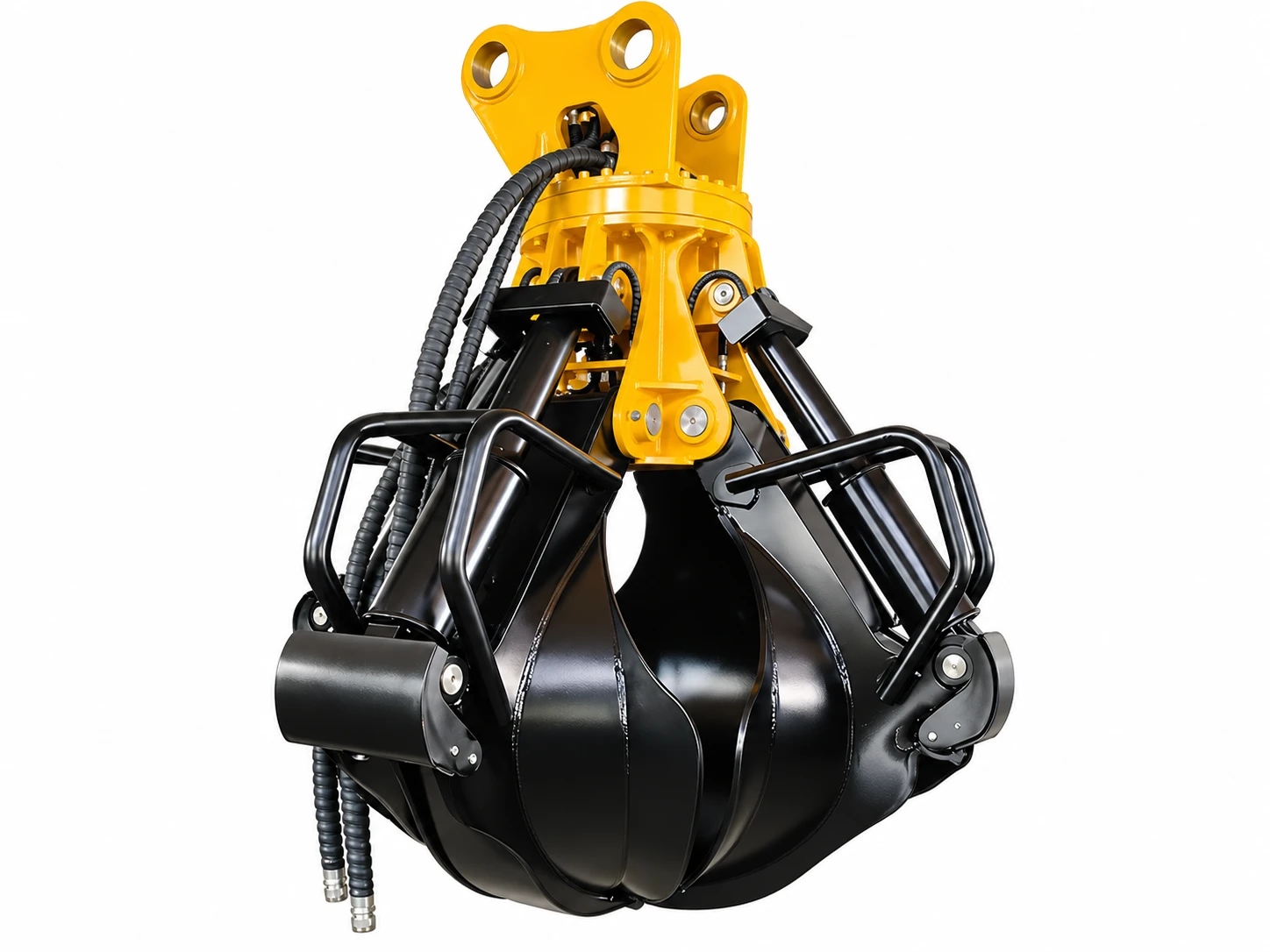
A hydraulic rotating grapple with curved tines for gripping, positioning and loading timber. Compare jaw opening, attachment weight and the separate hydraulic requirements for rotation and gripping.

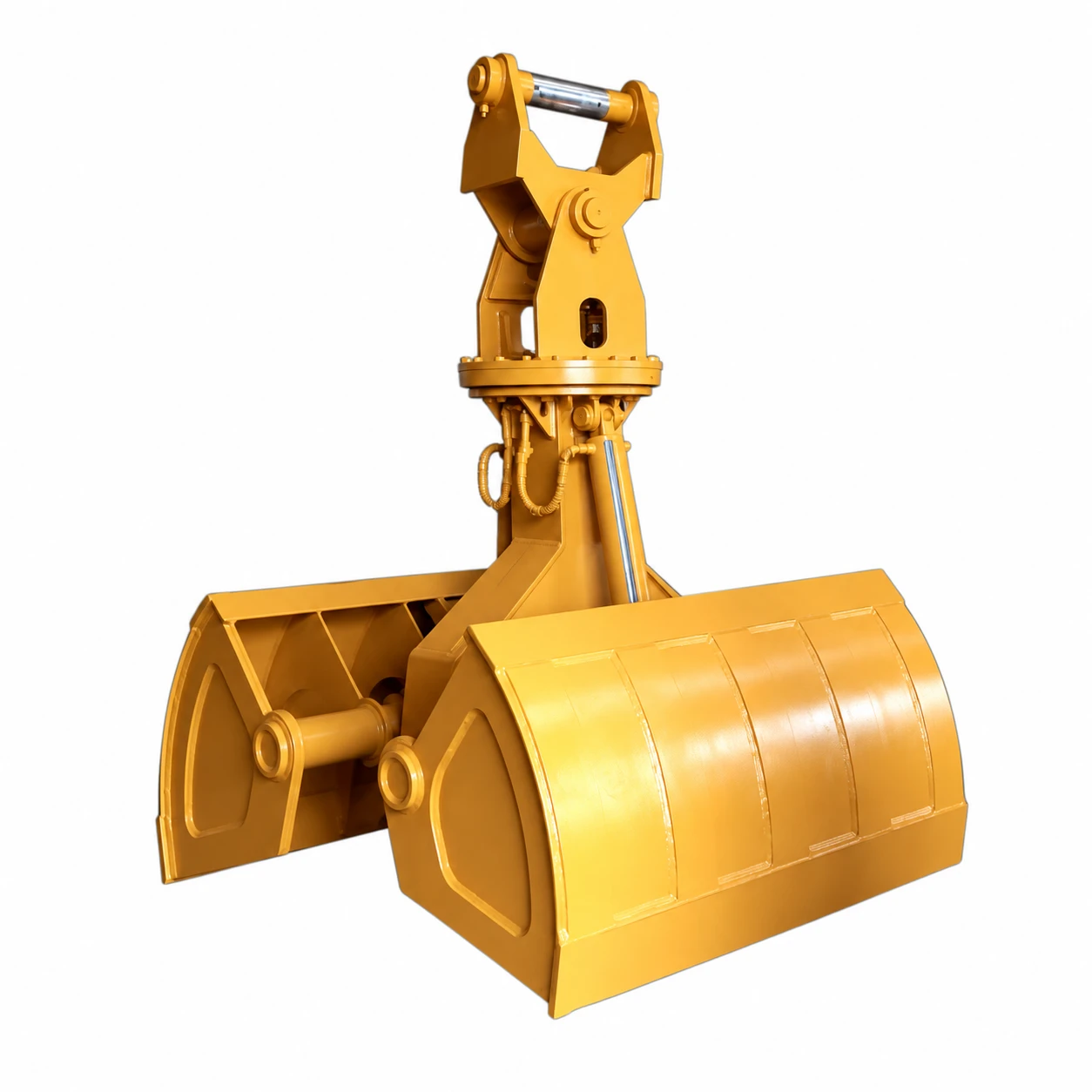
A hydraulic multi-shell grapple for collecting and loading loose scrap and bulk material. Compare opening width, grab volume and the hydraulic requirements for the selected carrier.

A hydraulic grab bucket with two closing shells for digging and transferring suitable loose material. Compare capacity, opening dimensions, attachment weight and the hydraulic supply for the intended excavator.
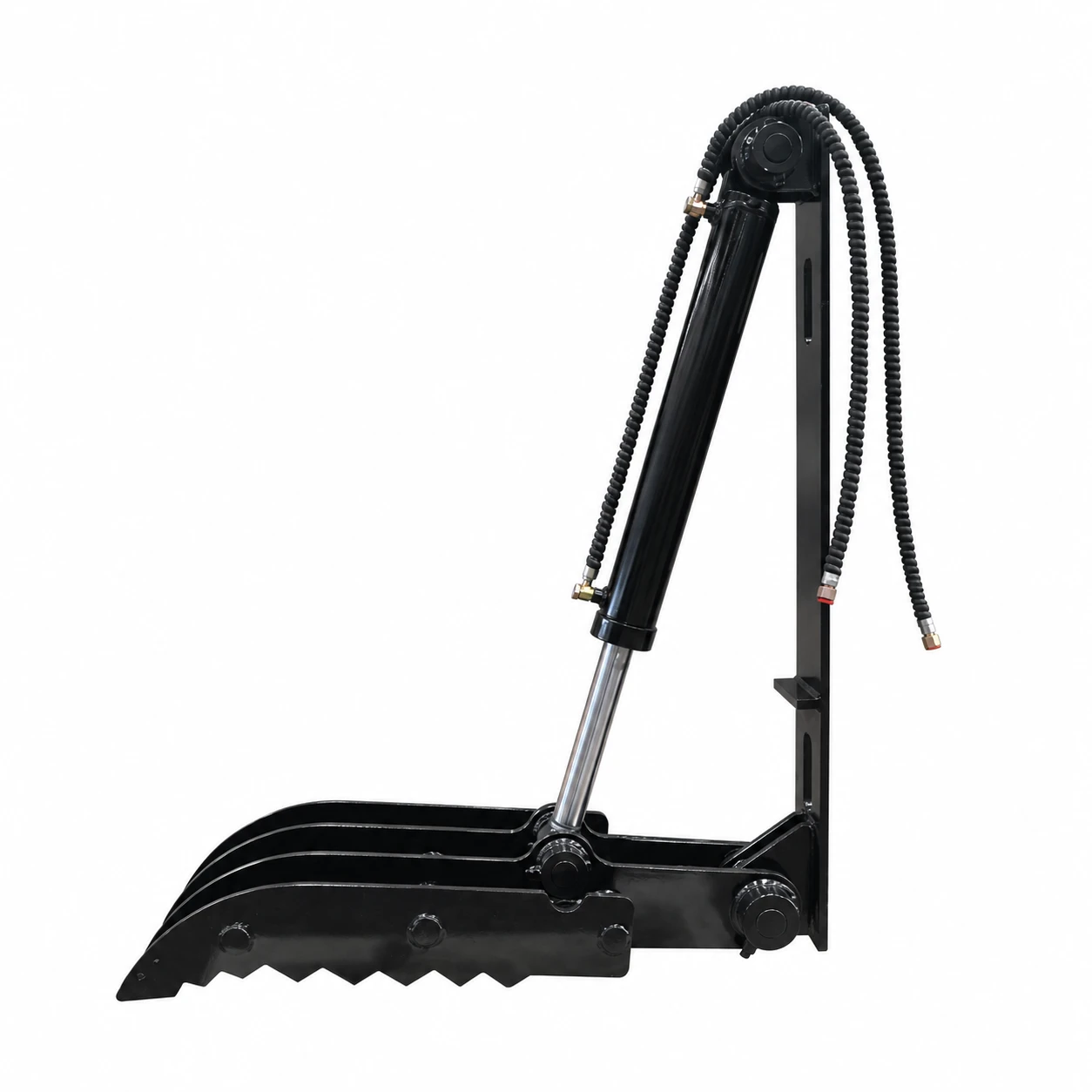
A hydraulically operated claw that works against the excavator bucket to hold rocks, logs and irregular debris. Check the thumb length, bucket clearance and mounting arrangement together before selecting a configuration.

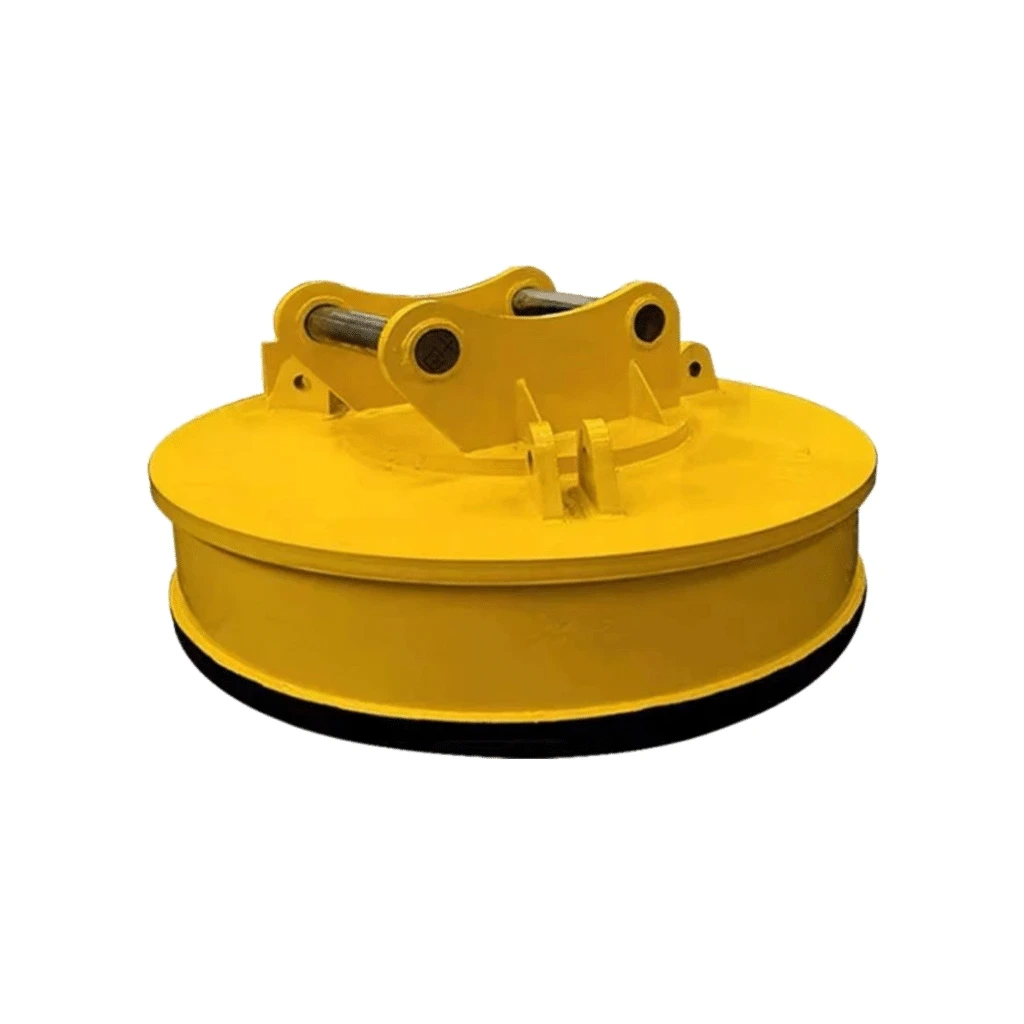
An electromagnetic lifting attachment for collecting and handling suitable ferrous scrap. Magnetic lifting figures vary with material form and temperature.

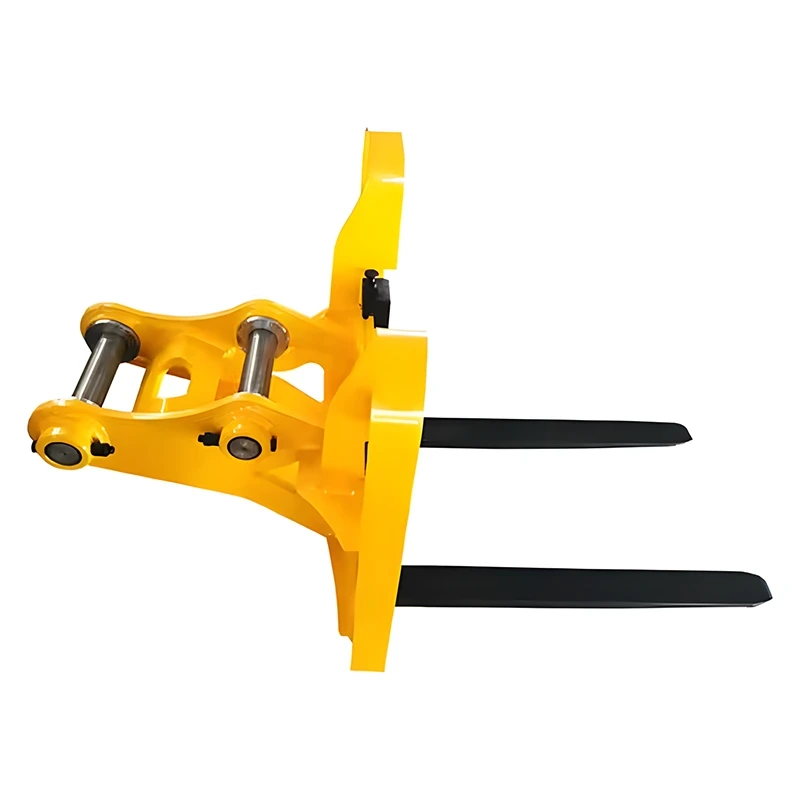
An excavator-mounted fork attachment with a Q355B frame and adjustable tines for supporting and positioning compatible palletised loads and construction materials.
No matching products. Try another product name or working task.
Before ordering, send the machine identification and the connection, power and working information relevant to this product.
Material dimensions, load mass, centre of gravity and lifting radius.
Compare gripping jaws, closing shells, magnetic contact and fork support for the material.
Powered grapples need hydraulic checks; electromagnetic tools need electrical supply and controls. Passive forks do not need a gripping circuit.
Machine connection, attachment weight and excavator lifting chart at the required reach.