
General excavation
A toothed digging bucket removes ordinary soil and loads loose material. Dense or abrasive material requires a different bucket specification.
View Digging bucketDig soil, open trenches and shape ground surfaces. Match the bucket to the material and the finish you need.
Explore Suitable Products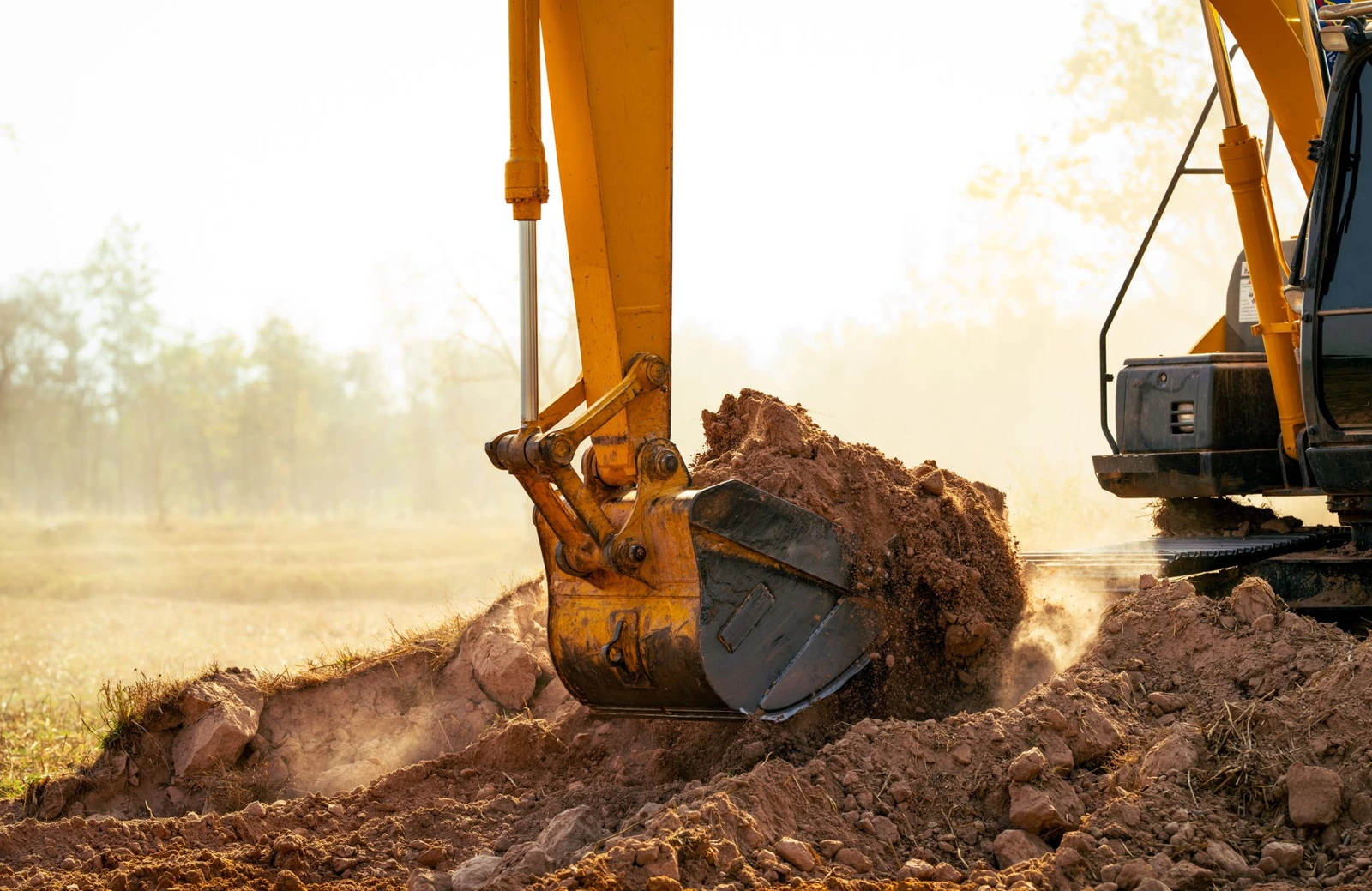
A toothed digging bucket removes ordinary soil and loads loose material. Dense or abrasive material requires a different bucket specification.
View Digging bucketA narrow trenching bucket concentrates the cut within the required trench width. Confirm working depth, access and ground conditions.
View Trenching bucketA wide grading bucket shapes and finishes surfaces. A tilting bucket adds angle adjustment where the machine and installation allow it.
View Grading bucket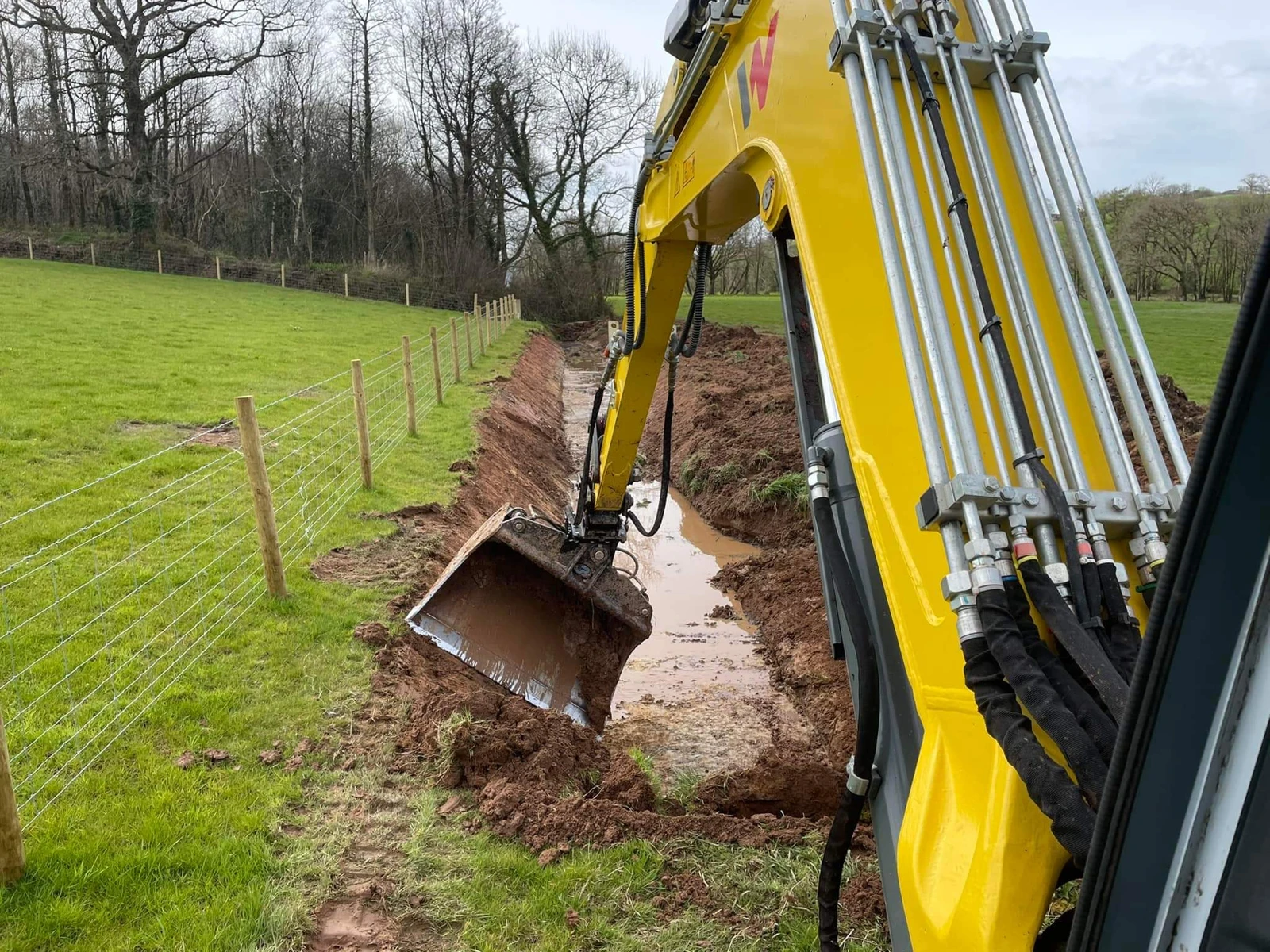
Separate ordinary soil, gravel and rock when describing the work. A bucket intended for loose soil is not automatically suitable for abrasive rock.
Bucket width, attachment weight and load density affect the selection. Use the machine and attachment specifications together.
Provide pin dimensions or the quick-coupler interface. Similar excavator weights do not establish an identical fit.
Open a product to view its features, specifications and installation requirements.
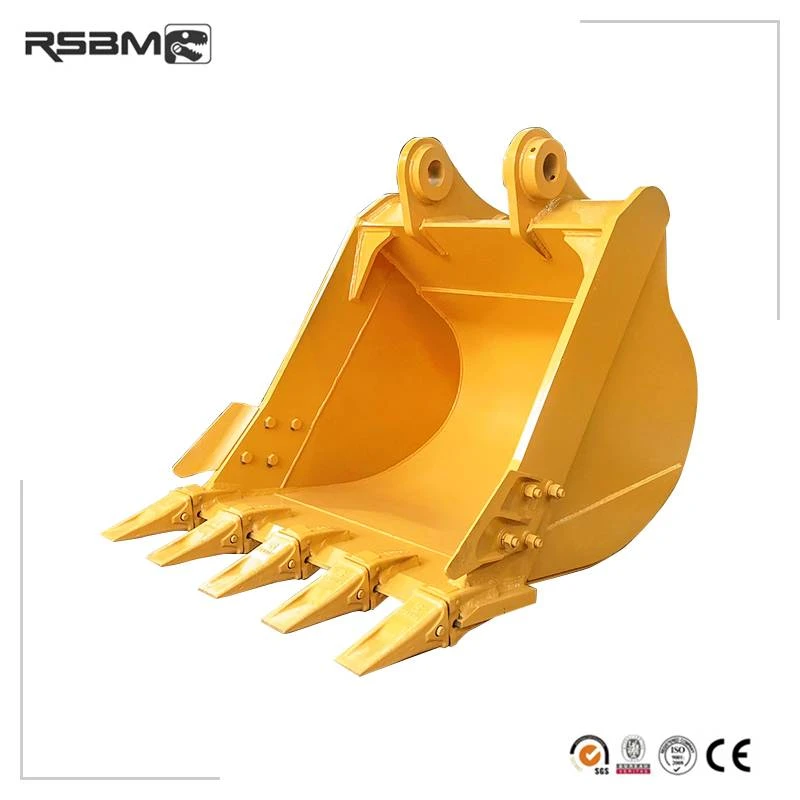
A toothed digging bucket for ordinary soil, sand and loose material.
View Product & Specifications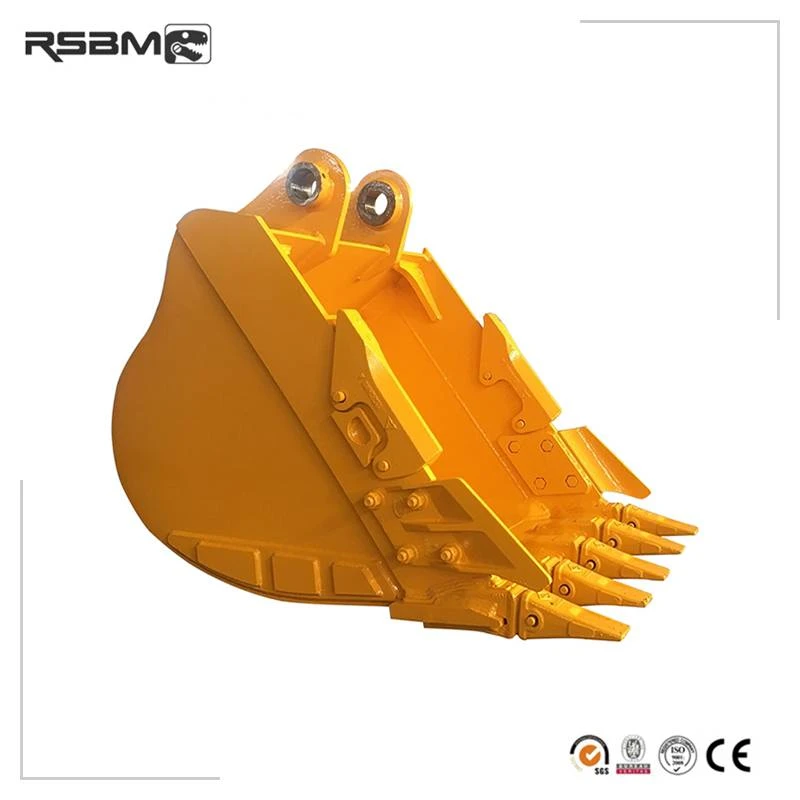
A heavy-duty digging bucket uses thicker plates and additional protection compared with a general-purpose bucket.
View Product & Specifications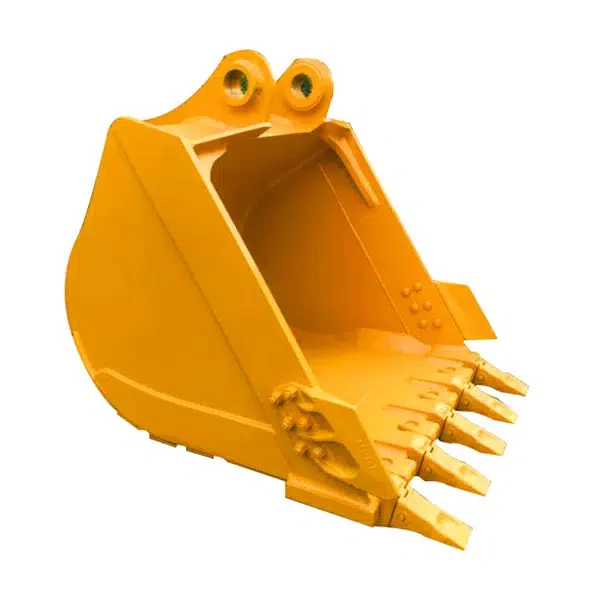
A reinforced digging bucket for rock, rubble and abrasive ground.
View Product & Specifications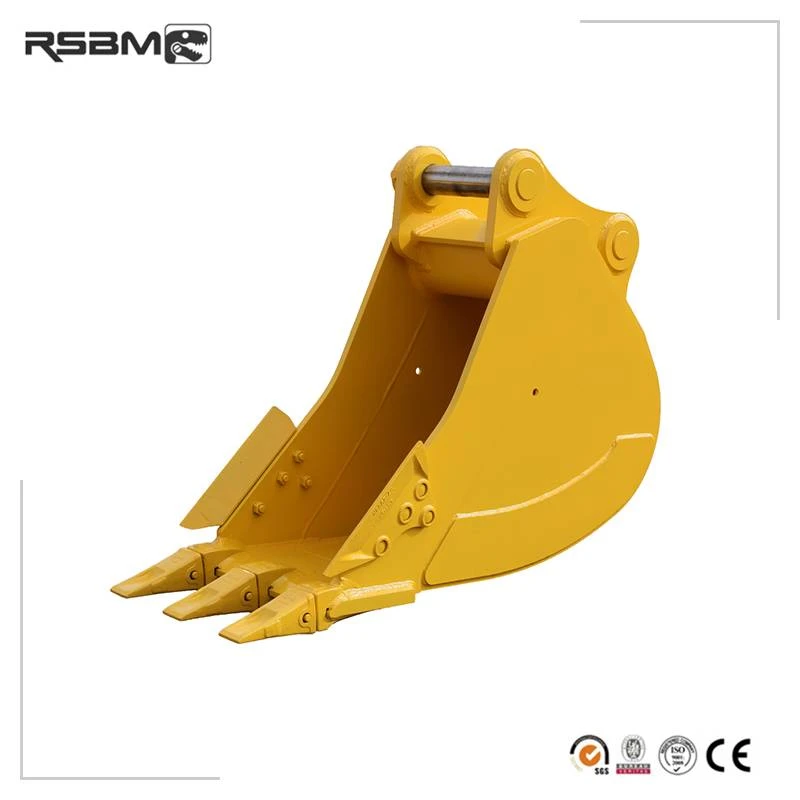
A narrow bucket for digging utility, cable and drainage trenches.
View Product & Specifications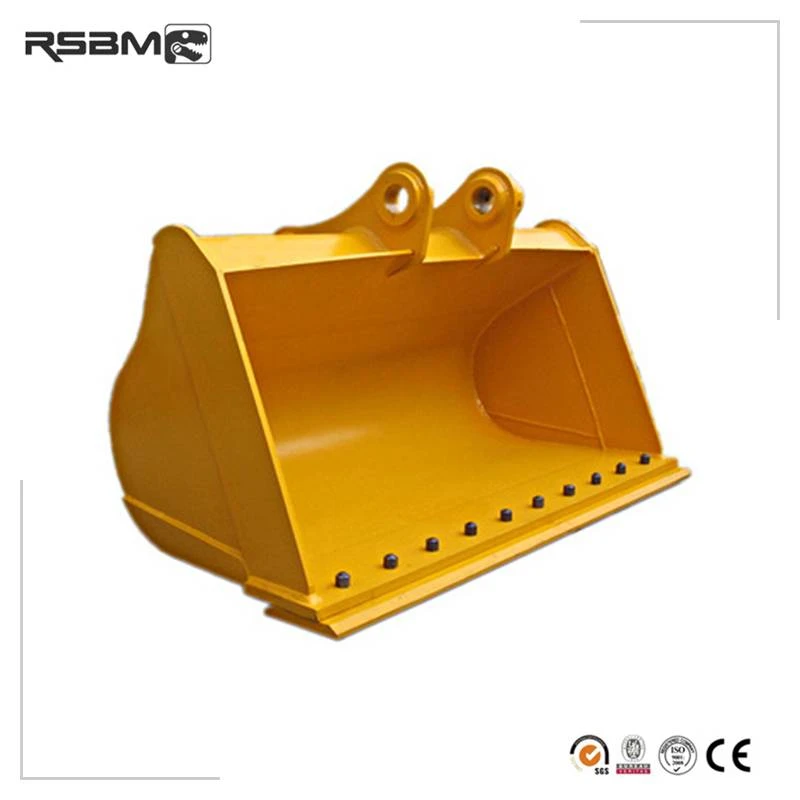
A wide, smooth-edge bucket for levelling surfaces, finishing slopes and cleaning drainage channels.
View Product & Specifications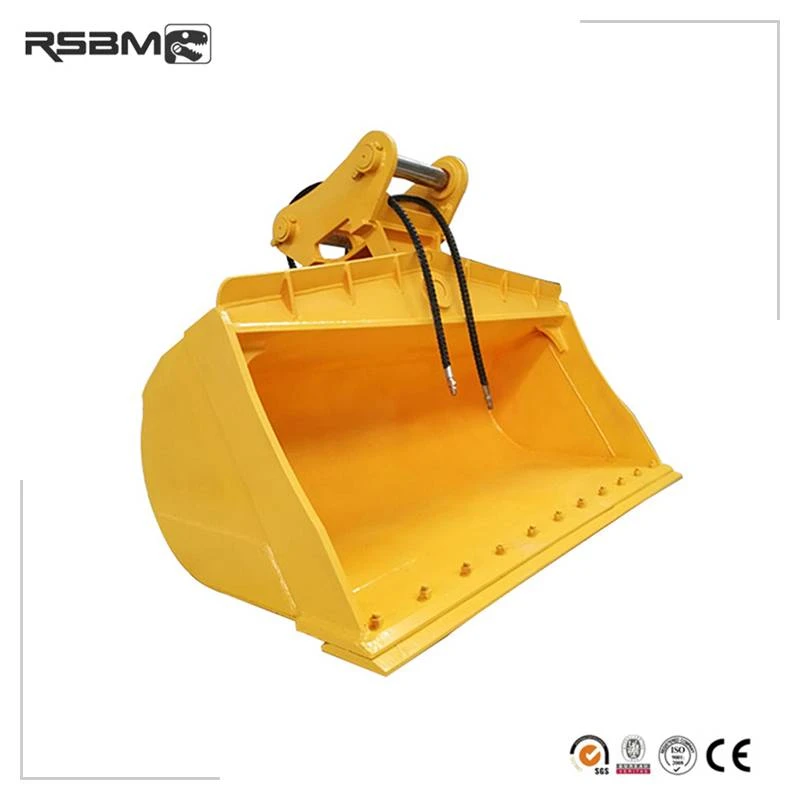
A hydraulically tilting bucket for shaping slopes and finishing surfaces at an angle.
View Product & SpecificationsThese details help narrow the product selection. Confirm the final configuration against the selected product specifications.
No. A digging bucket is intended for excavation; a grading bucket is used for shaping and finishing surfaces. Select the tool for the main task.
Suitability depends on the bucket structure and wear protection. Describe the material and consult the specifications of the selected product.
Send your machine model, material, required bucket width or capacity and connection dimensions. Site photographs can help explain the working conditions.