
Size reduction or separation
A crusher reduces pieces; a screen separates fractions by size.
Compare the working mechanism, intended material and machine connection for processing, forestry & site maintenance.
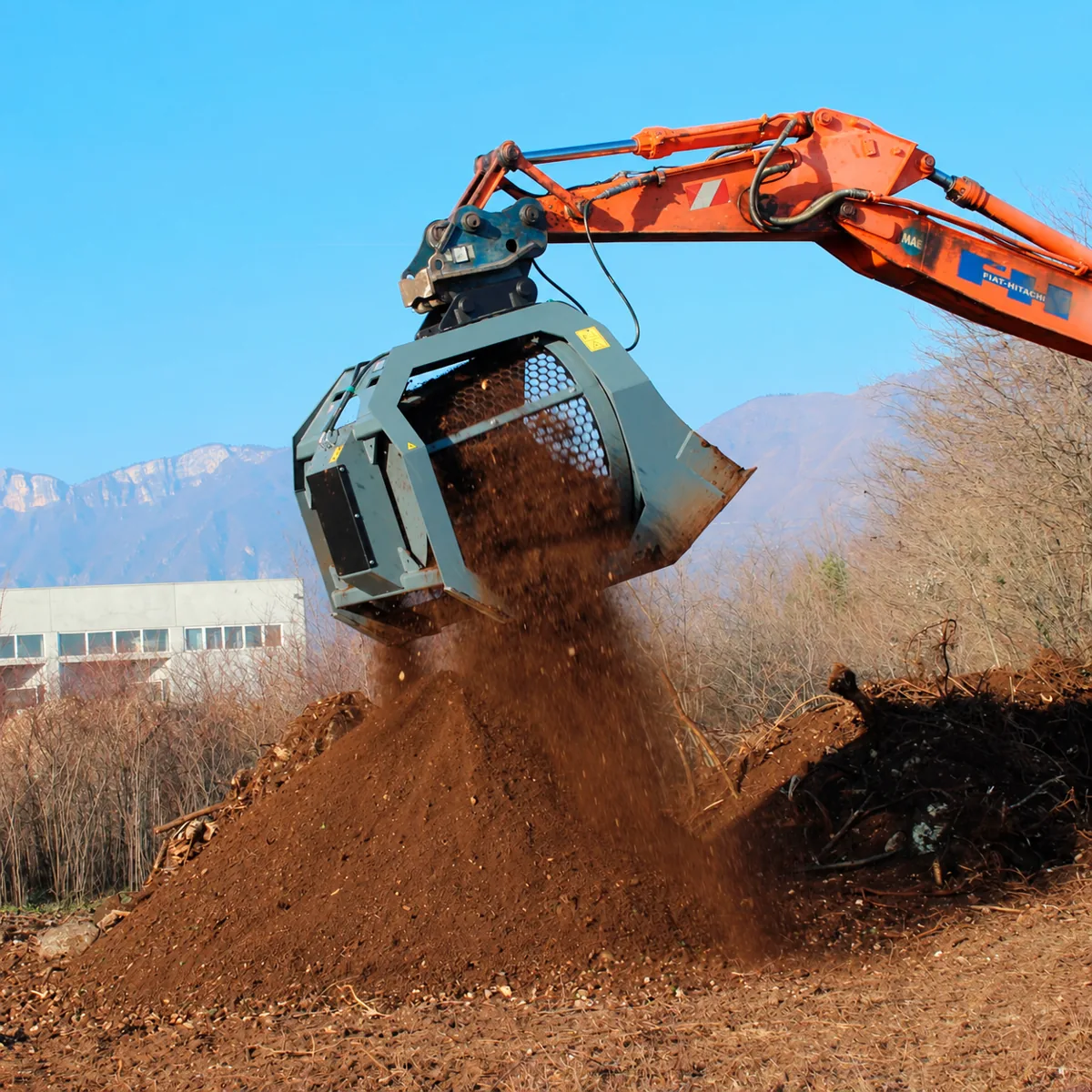
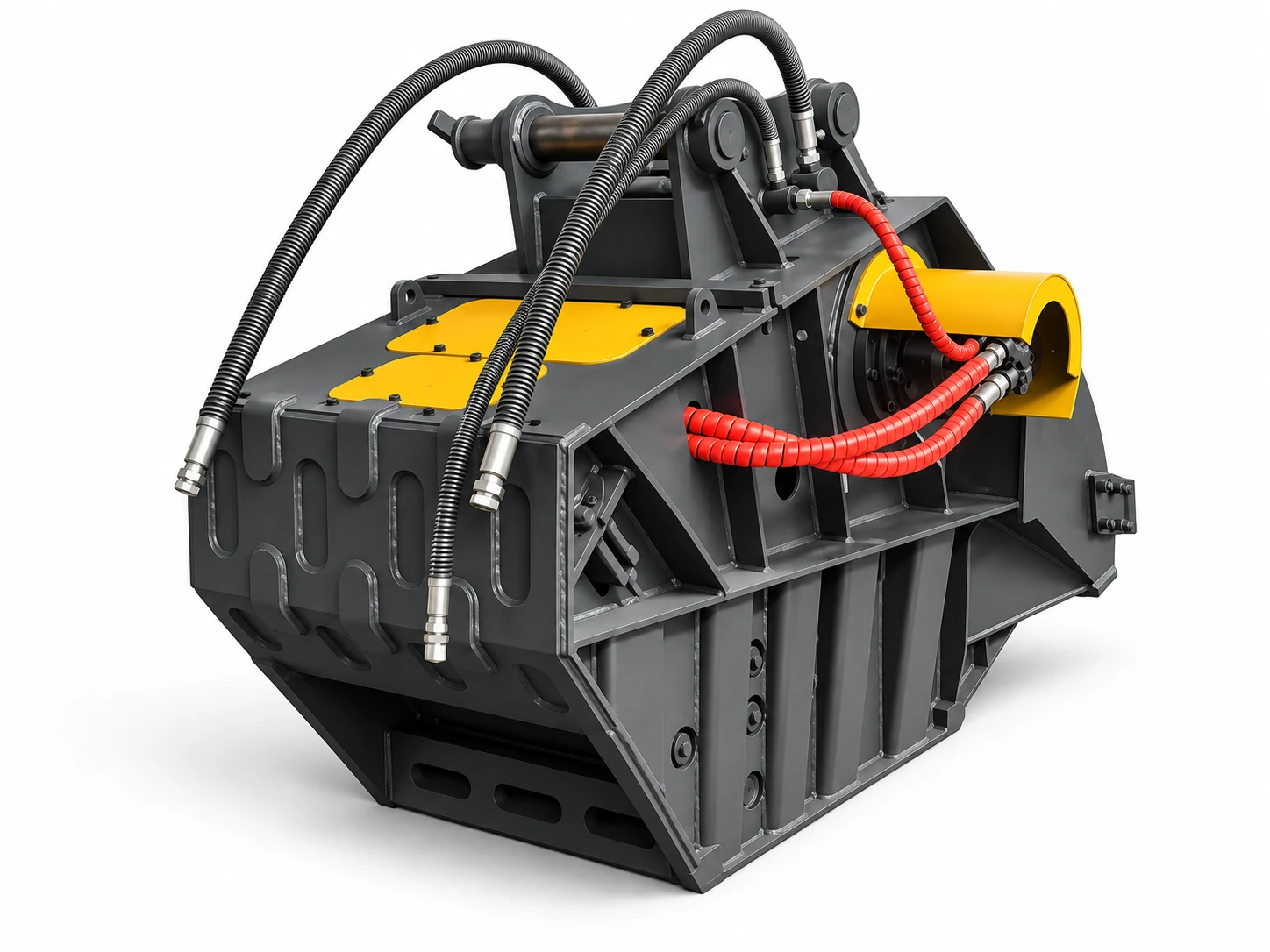
A crusher bucket reduces suitable feed material into smaller pieces.
Crusher bucketView matching product types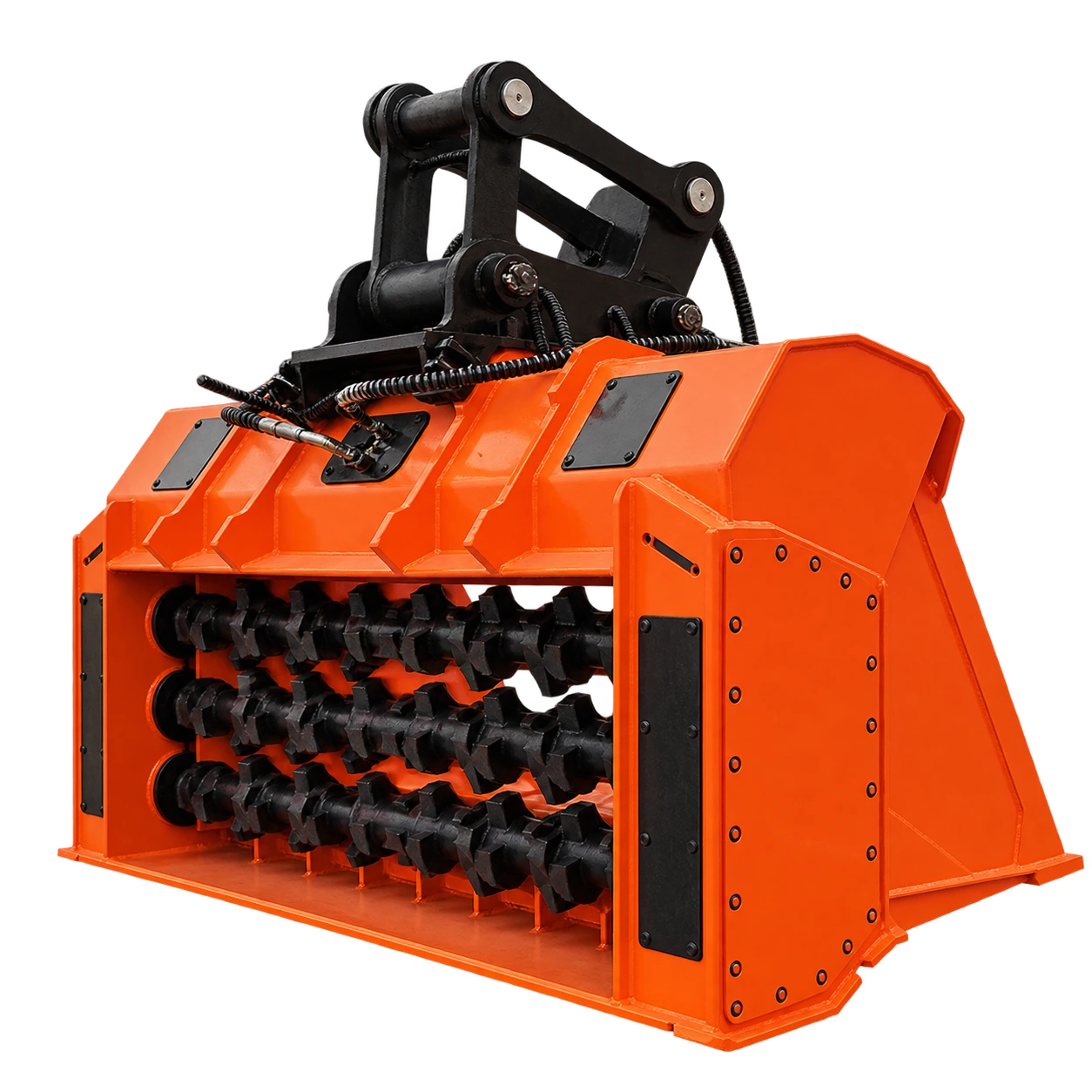
Choose the screening mechanism and aperture for the material and required fraction.
Screening bucket, Rotary screening bucketView matching product types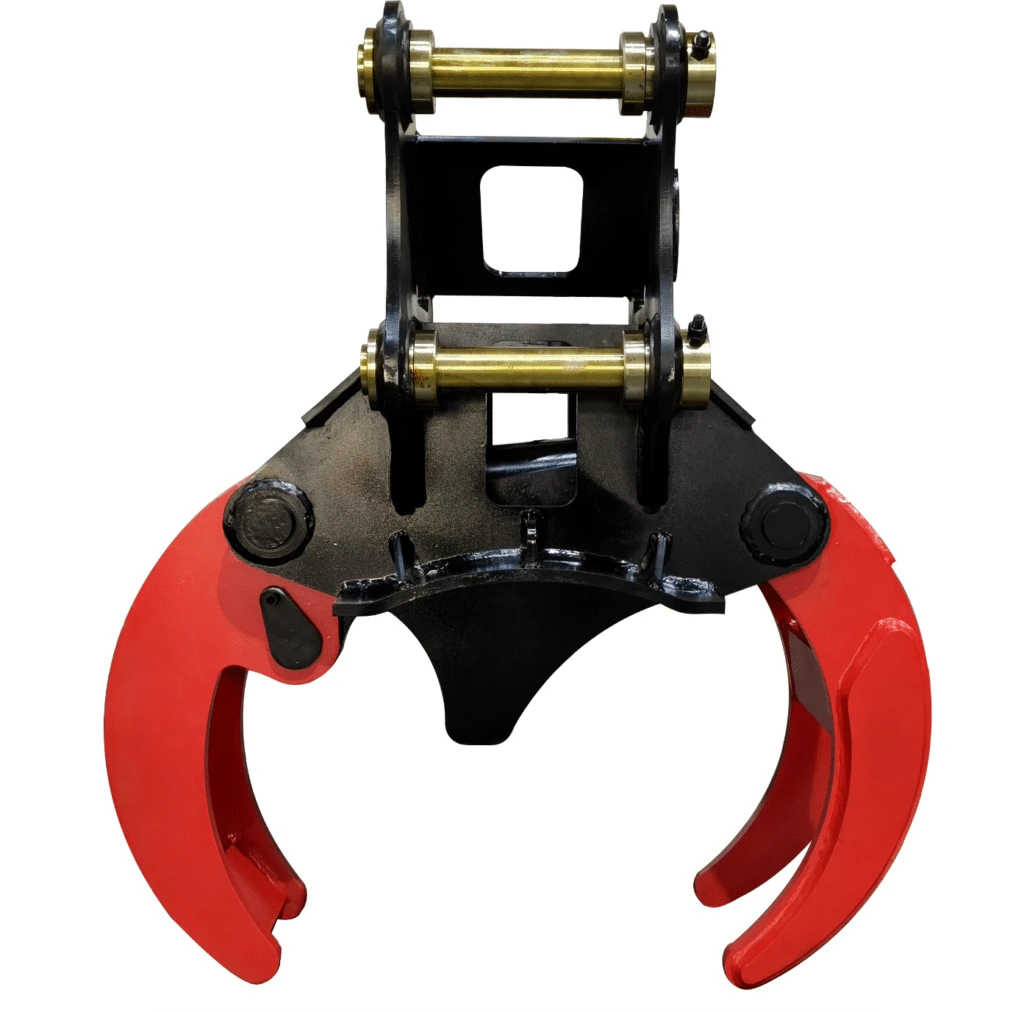
Select shearing, mulching or grinding for the required vegetation and finish.
Tree shear, Forestry mulcher, Stump grinder, Brush cutterView matching product types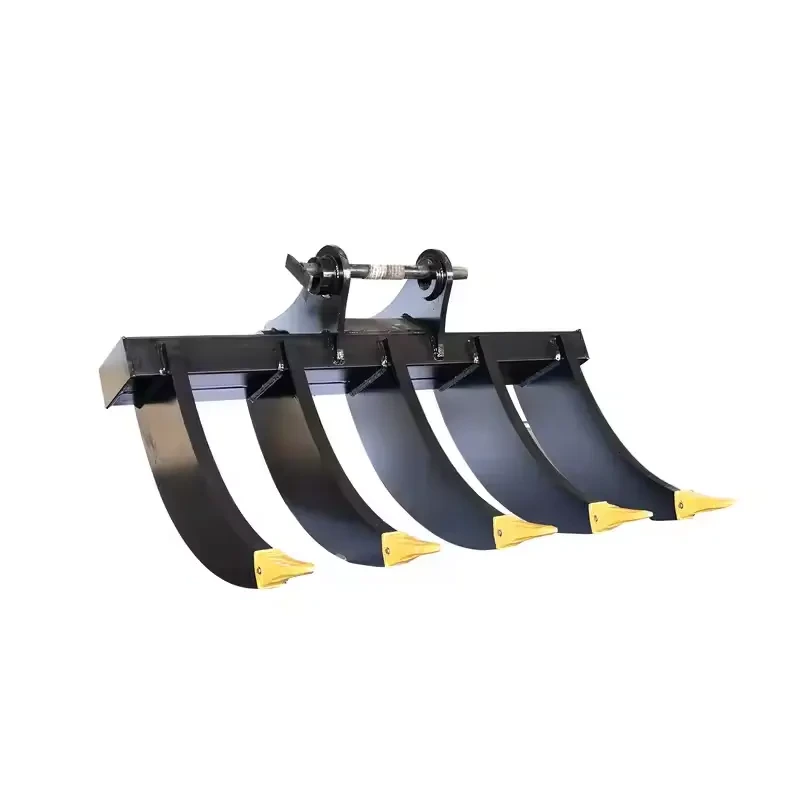
A rake gathers roots and loose debris during land clearance.
Excavator rakeView matching product types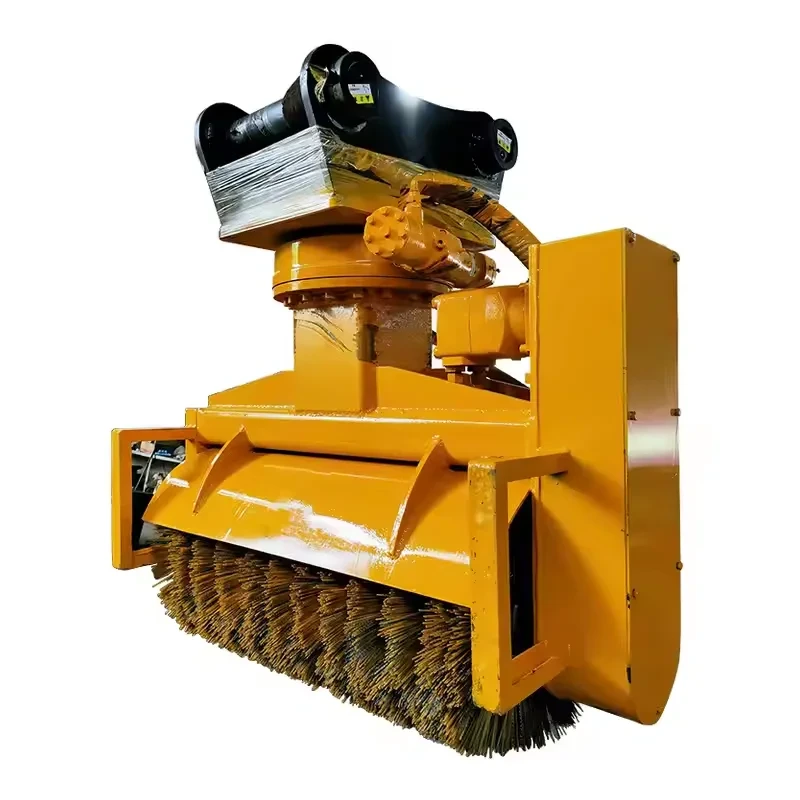
Use a brush mechanism suited to the surface and collected material.
Excavator sweeperView matching product types| Product type | Purpose & applications | Key checks | Product information |
|---|---|---|---|
| Crusher bucket | An excavator-mounted hydraulic bucket for crushing suitable concrete, stone and construction material on site. Compare feed opening, adjustable discharge size and hydraulic demand before choosing a configuration. | Feed size, aperture/output, mounting and drive hydraulics. | View product & specifications |
| Screening bucket | A hydraulically powered shaft screening bucket for processing soil and separating suitable material by size. Rotating rollers screen and mix material inside the bucket; this mechanism differs from a rotating screening drum. | Feed size, aperture/output, mounting and drive hydraulics. | View product & specifications |
| Rotary screening bucket | A hydraulically driven drum bucket for screening suitable loose soil, aggregate and recycling material. Choose the drum openings and hydraulic supply for the intended separation task. | Feed size, aperture/output, mounting and drive hydraulics. | View product & specifications |
| Forestry mulcher | A hydraulic drum attachment for reducing brush, woody debris and fallen vegetation into smaller material. Fixed cutters work around a horizontal rotor; model selection depends on the excavator and its continuous hydraulic supply. | Fixed cutters, carrier mass, continuous flow/pressure, motor drain and working clearance. | View product & specifications |
| Tree shear | A hydraulic tree shear for cutting bamboo, saplings and hedges. Its cutting and gripping mechanism mounts on an excavator for controlled vegetation removal. | Cutting mechanism, mounting, hydraulic supply and reach. | View product & specifications |
| Stump grinder | A compact hydraulic attachment with a vertical cutting disc for grinding tree stumps below the surface. The narrow disc arrangement suits confined access and smaller excavators. | Disc geometry, selected hydraulic flow, bracket, guards and site clearance. | View product & specifications |
| Brush cutter | An excavator-mounted cutting deck with a hydraulic rotary blade assembly for brush, saplings and suitable woody vegetation. Standard-flow and high-flow versions are selected for the carrier’s auxiliary circuit. | Deck width, S/H hydraulic version, mounting and brush diameter for the selected model. | View product & specifications |
| Excavator sweeper | A hydraulic rotary brush for sweeping roads, work sites and industrial surfaces. The brush moves loose debris; an angled head directs the swept material to one side. | Brush width, mounting, loaded mass including water, hydraulic drive and surface conditions. | View product & specifications |
| Excavator rake | An open-tine excavator attachment for gathering roots, brush, rocks and site debris. Soil and smaller loose material can pass between the tines while larger material is gathered. | Width, tine spacing, pin/coupler interface and lifting limits; a fixed rake needs no auxiliary hydraulics. | View product & specifications |
A crusher reduces pieces; a screen separates fractions by size.
Describe material size, moisture and contamination.
State the desired crushed size or screening aperture.
Compare jaw crushing, drum screening and other screening arrangements.
Distinguish grass, brush, standing timber, stumps and hard surfaces.
Shears, mulching rotors, saws and grinding heads perform different operations.
State the material size and density within the intended task.
Describe whether the result is cut timber, shredded vegetation or a cleared surface.
Use the requirements for the actual working mechanism. Drilling drives, compaction tools, cutting tools and processing buckets do not share one hydraulic specification.
A screen primarily separates size fractions. A crusher primarily reduces pieces. Some combined systems have additional functions that must be specified.
No. A skeleton bucket has open bars for passive separation. A driven drum or other screening mechanism has additional hydraulic requirements.
No. A mulcher shreds suitable vegetation with a rotor. A log grapple grips and positions timber.
No. Opening and stated cutting dimensions are separate. Check vegetation, blade mechanism, hydraulic supply and carrier limits.
No. Check the mounting connection, lifting limits and the power or hydraulic supply specified for the selected tool.
Describe the material, required result and working dimensions. Include the machine model and the connection information listed above.
Send your machine make and model, the required product and working task, quantity and delivery destination.