
Ground
Distinguish soil, mixed ground and rock before choosing the auger bit.
Compare the working mechanism, intended material and machine connection for drilling, compaction & piling.
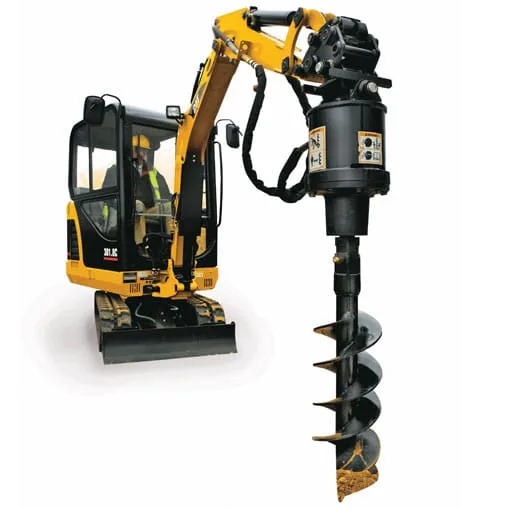
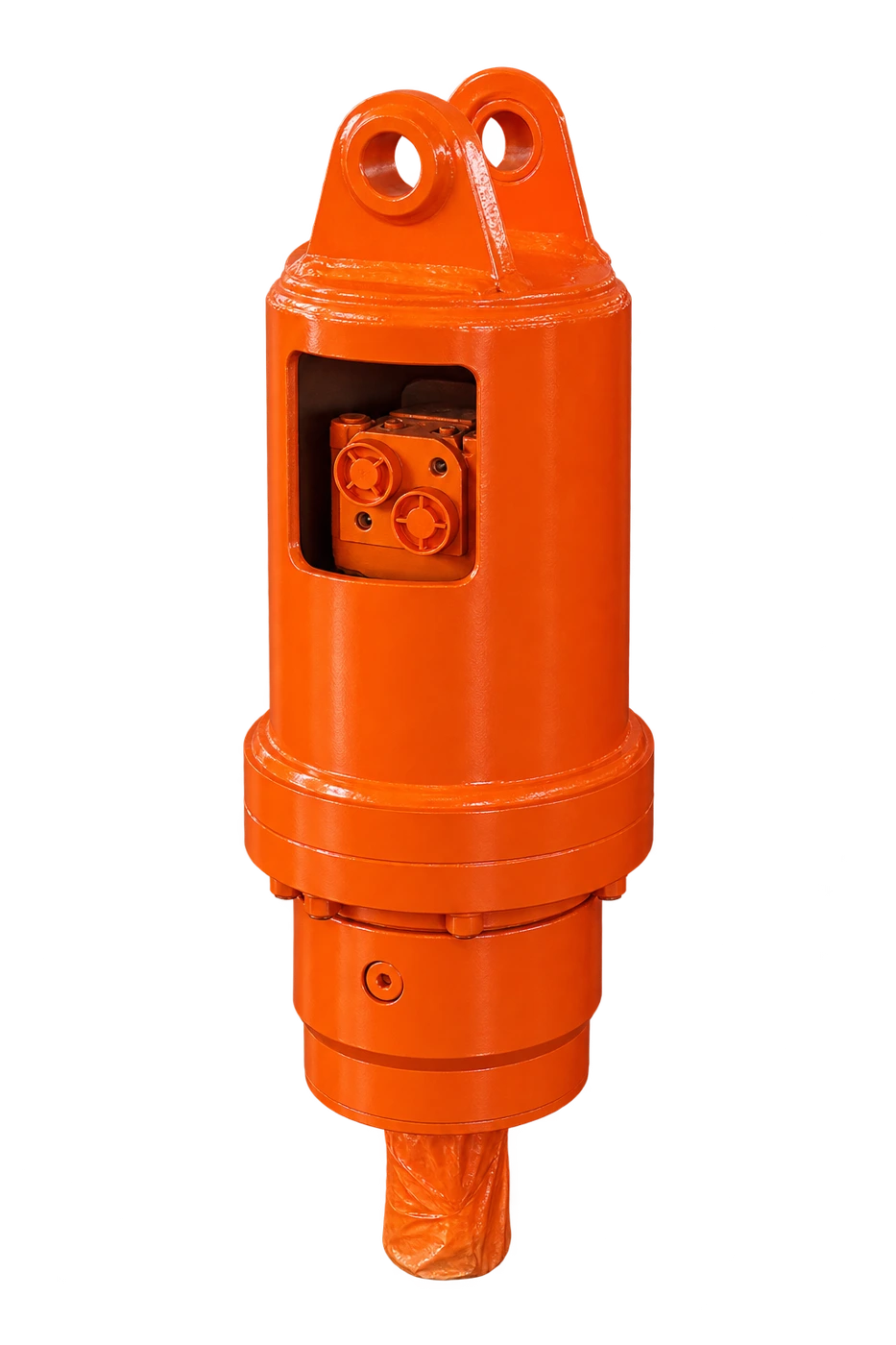
Choose the bit for the ground, then match its shaft to a drive with suitable torque and hydraulics.
Auger drive, Earth auger, Rock augerView matching product types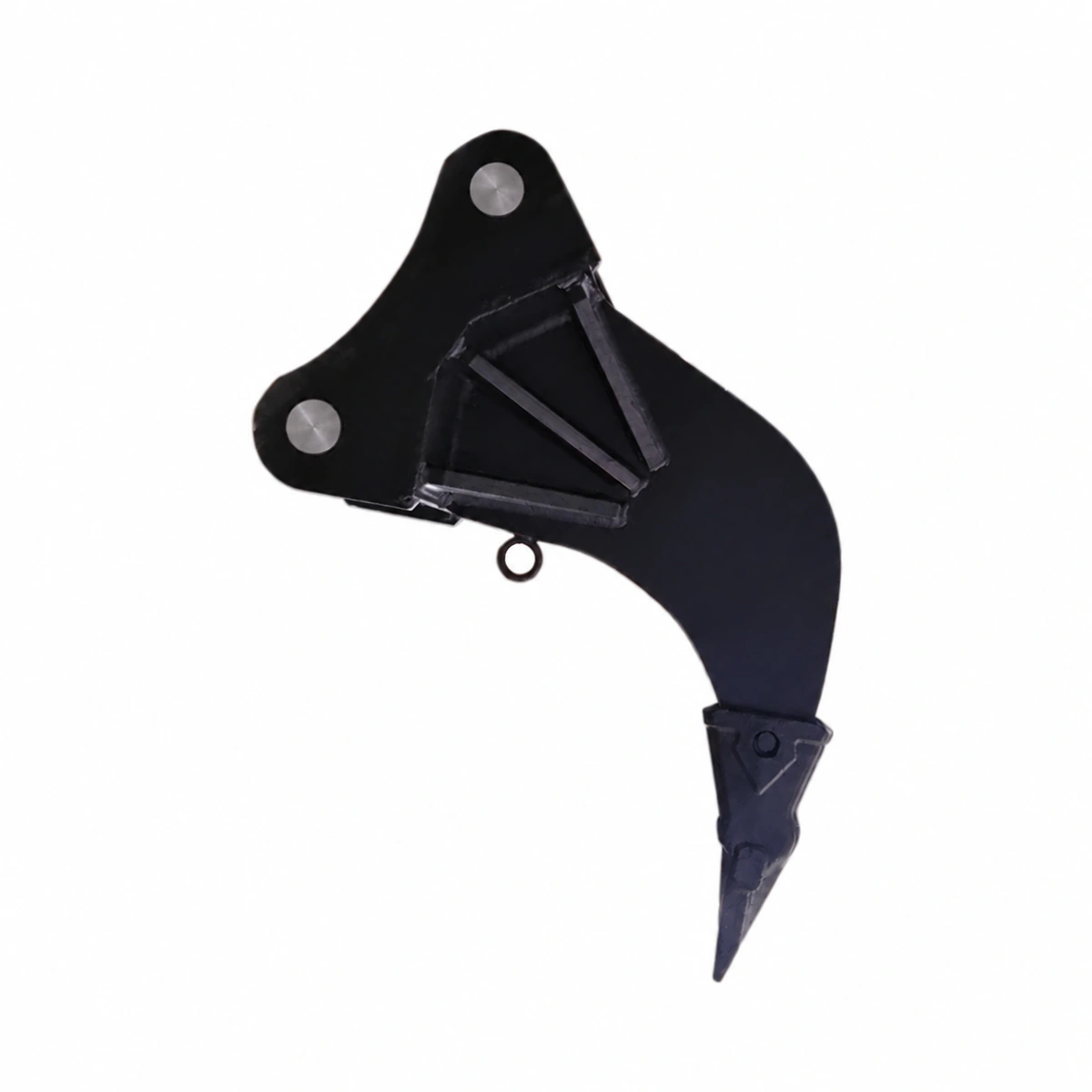
A single-shank ripper loosens compacted soil and suitable soft rock before bucket excavation.
Excavator ripperView matching product types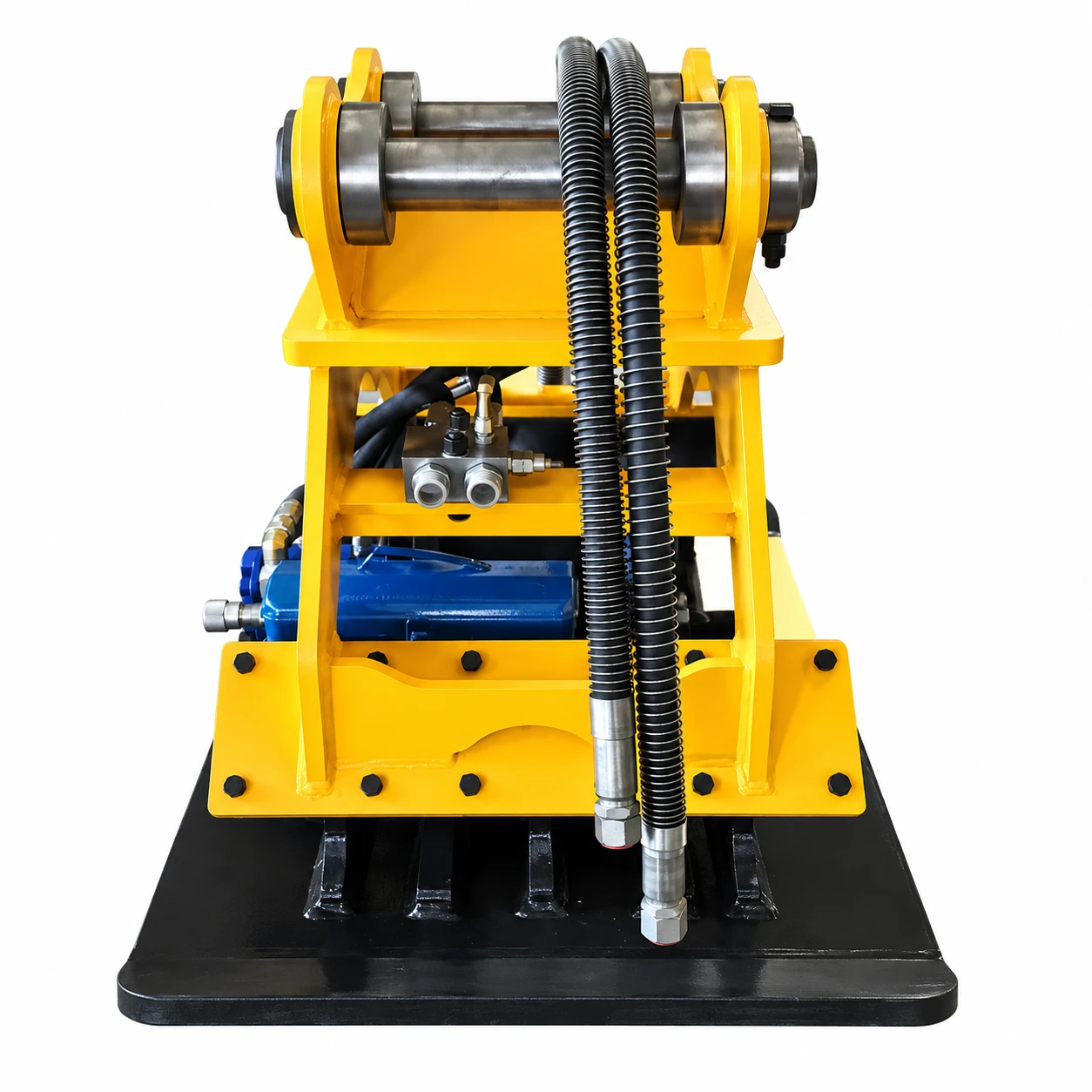
Compare a powered vibrating plate with a passive compaction wheel.
Hydraulic plate compactor, Compaction wheelView matching product types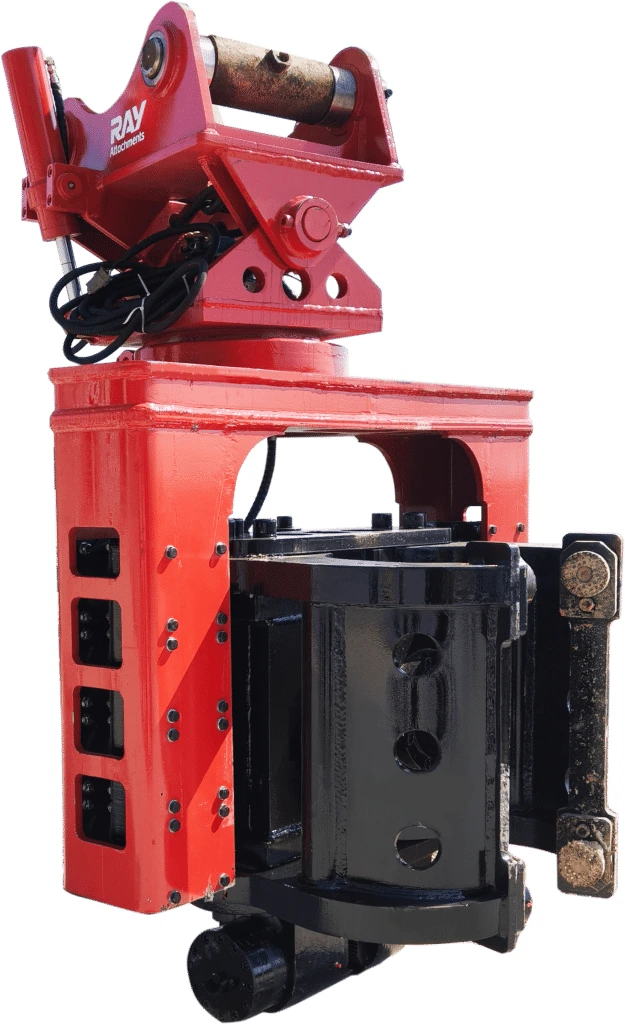
A vibrating driver installs or extracts suitable piles; a breaker removes concrete pile heads.
Vibratory pile driver, Pile breakerView matching product types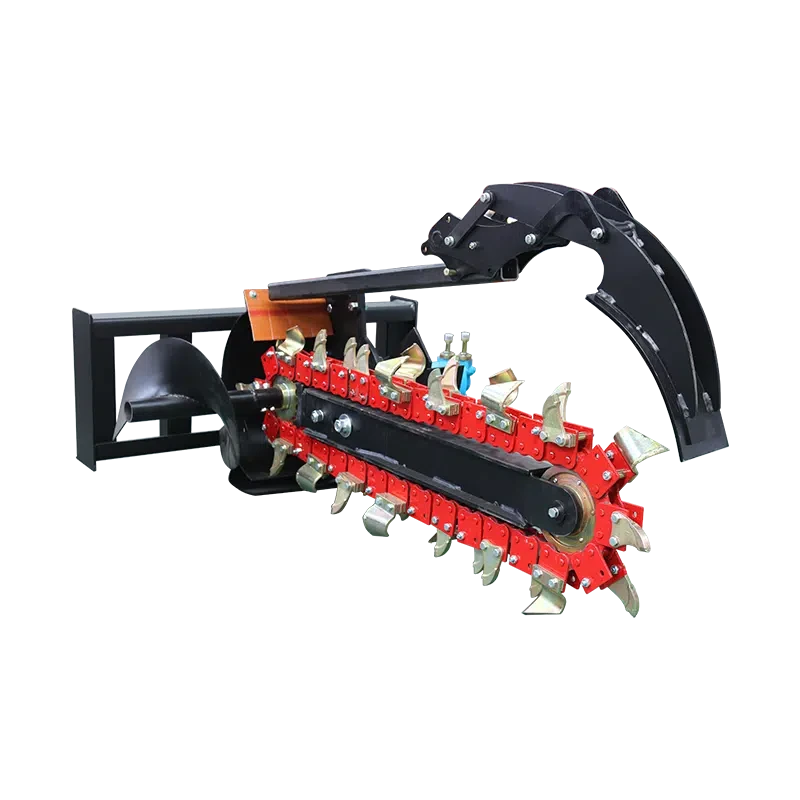
Match the cutting chain and hydraulic drive to the ground and trench dimensions.
Excavator trencherView matching product types| Product type | Purpose & applications | Key checks | Product information |
|---|---|---|---|
| Auger drive | Provide rotary power to a compatible auger through a hydraulic drive unit. | Available torque, oil flow and the output-shaft connection. | View product & specifications |
| Earth auger | A tungsten-tooth auger bit for drilling clay, sandy soil and ground containing limited gravel. The helical flight carries excavated soil out of the hole; a separate hydraulic auger drive supplies rotation. | Ground, hole size, cutting teeth and drive-shaft connection. | View product & specifications |
| Rock auger | A rock-tooth auger bit for drilling suitable rock, asphalt and ground containing substantial gravel. Match the cutting head to the formation and connect the bit to a separately specified hydraulic drive. | Formation, rock teeth, drive torque and shaft connection. | View product & specifications |
| Hydraulic plate compactor | An excavator-mounted vibrating plate for compacting trench backfill, prepared ground and slopes. Select the plate size and hydraulic requirements for the machine and working area. | Plate dimensions, oil flow/pressure and mounting. | View product & specifications |
| Compaction wheel | An excavator-mounted compaction wheel for soil and aggregate preparation. The regular and open-tooth arrangements have separate model tables and carrier ranges. | Wheel width, mounting pins and excavator downforce. | View product & specifications |
| Vibratory pile driver | A side-grip vibratory pile driver for installing and extracting suitable piles. The rotating and tilting head positions piles in confined foundation and infrastructure work. | Pile clamp, hydraulic supply and lifting geometry. | View product & specifications |
| Pile breaker | A hydraulically operated attachment for removing concrete pile heads. Circular modular and square-pile arrangements position crushing rods around the pile; select the layout for pile shape, dimensions and reinforcement. | Pile shape/diameter, breaker arrangement and hydraulic supply. | View product & specifications |
| Excavator trencher | A hydraulic chain-cutting attachment for narrow pipe, cable, irrigation and drainage trenches. A side auger moves excavated soil away from the trench; the mounting bracket must suit the excavator. | Chain, trench depth/width and hydraulic drive. | View product & specifications |
| Excavator ripper | A single-shank excavator attachment for loosening hard soil, compacted ground and suitable soft rock before excavation. | Working dimensions, actual mounting and the specified power supply. | View product & specifications |
Distinguish soil, mixed ground and rock before choosing the auger bit.
State the required diameter and depth, including any extension.
A drill bit and a hydraulic drive are different components; their shaft connections must match.
Select the drive with the ground and drilling diameter, not carrier weight alone.
Separate backfill compaction, pile installation and pile-head removal.
Compare plate, wheel, pile clamp or cutter dimensions for the job.
Describe ground conditions, trench access and the working space.
State the required compaction or piling result before selecting a mechanism.
Use the requirements for the actual working mechanism. Drilling drives, compaction tools, cutting tools and processing buckets do not share one hydraulic specification.
No. The drive supplies rotation and torque; the bit engages the ground. Their shaft connections and working requirements must match.
No. Select teeth and drilling tools for the actual formation and drive capability. Soil and rock bits are different configurations.
No. A plate or wheel compacts suitable fill. A pile driver acts on a pile through the specified clamp and vibration system.
No. Its task is to remove suitable concrete pile heads, using a different mechanism from a pile-driving attachment.
No. Check the mounting connection, lifting limits and the power or hydraulic supply specified for the selected tool.
Describe the material, required result and working dimensions. Include the machine model and the connection information listed above.
Send your machine make and model, the required product and working task, quantity and delivery destination.