
Working material
Identify soil, gravel, rock or mixed debris and how abrasive it is.
Compare bucket types, working materials, dimensions and mounting requirements before choosing a configuration.
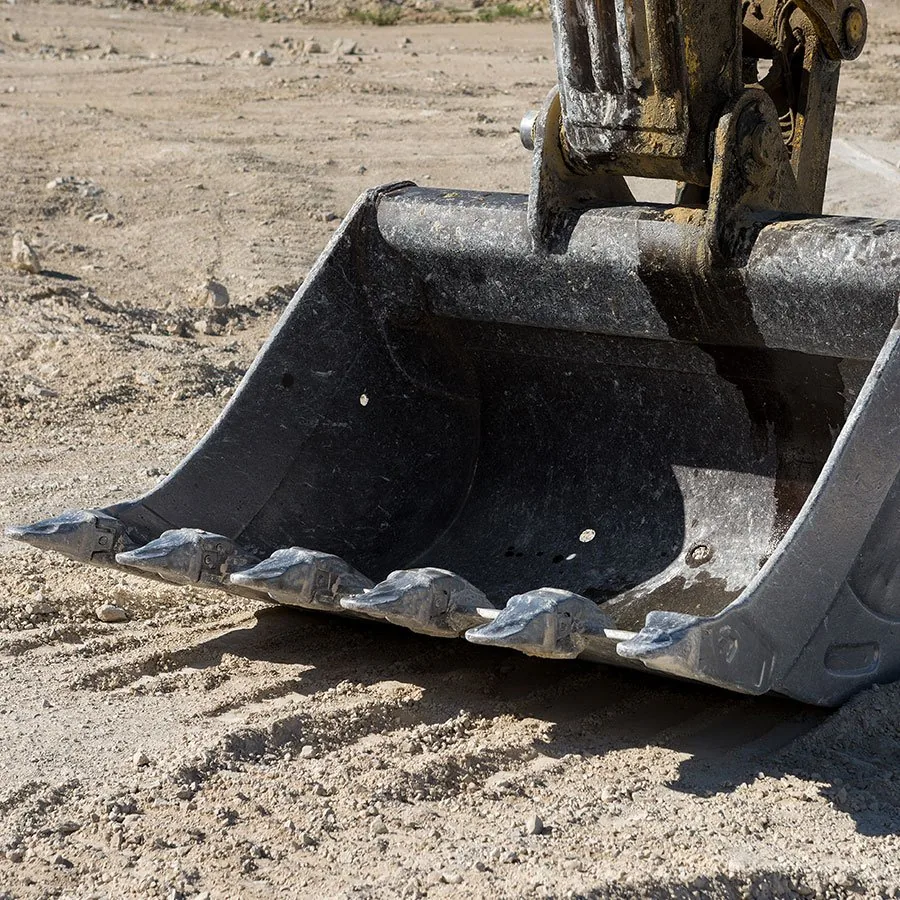
The task helps narrow the type. The machine and connection determine the final fit.
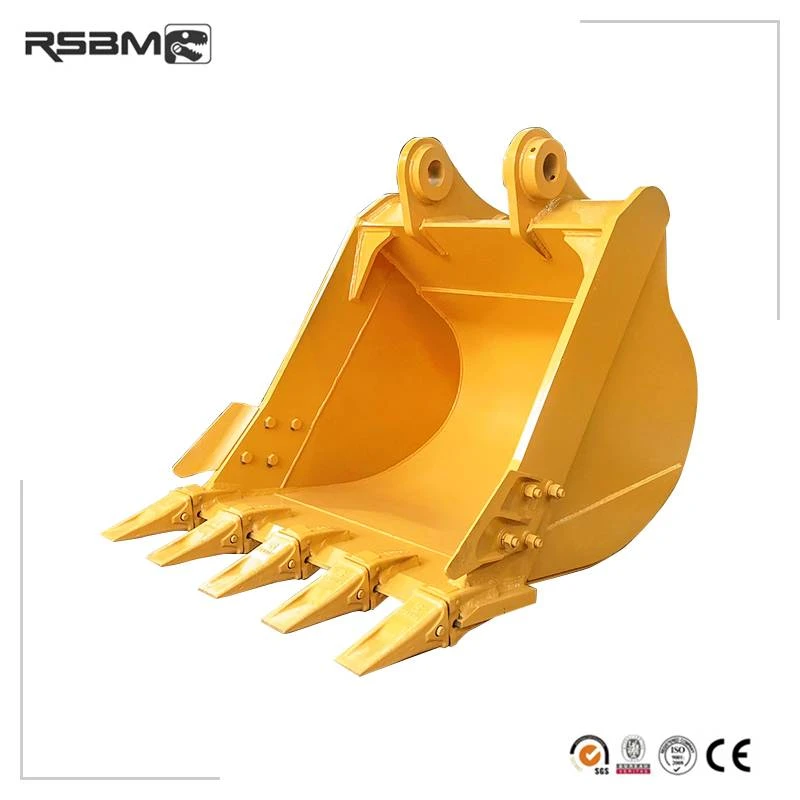
Soil, sand and loose fill: compare general-purpose and heavy-duty digging buckets.
Compare suitable bucket types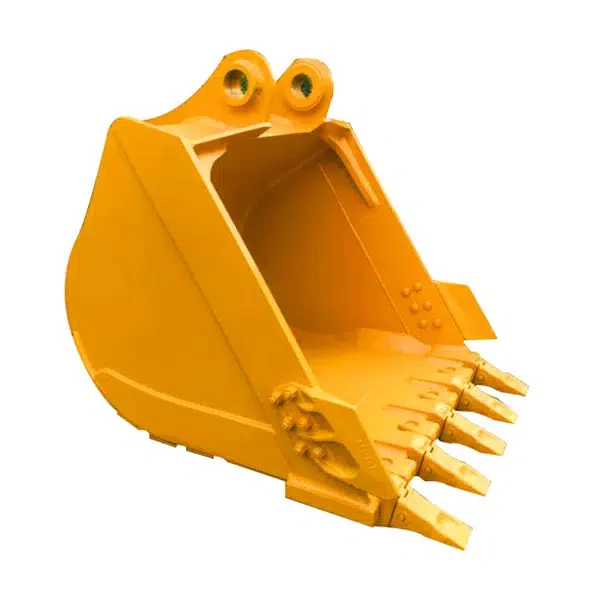
Rock, rubble and abrasive ground: compare rock-duty reinforcement and wear protection.
Compare suitable bucket types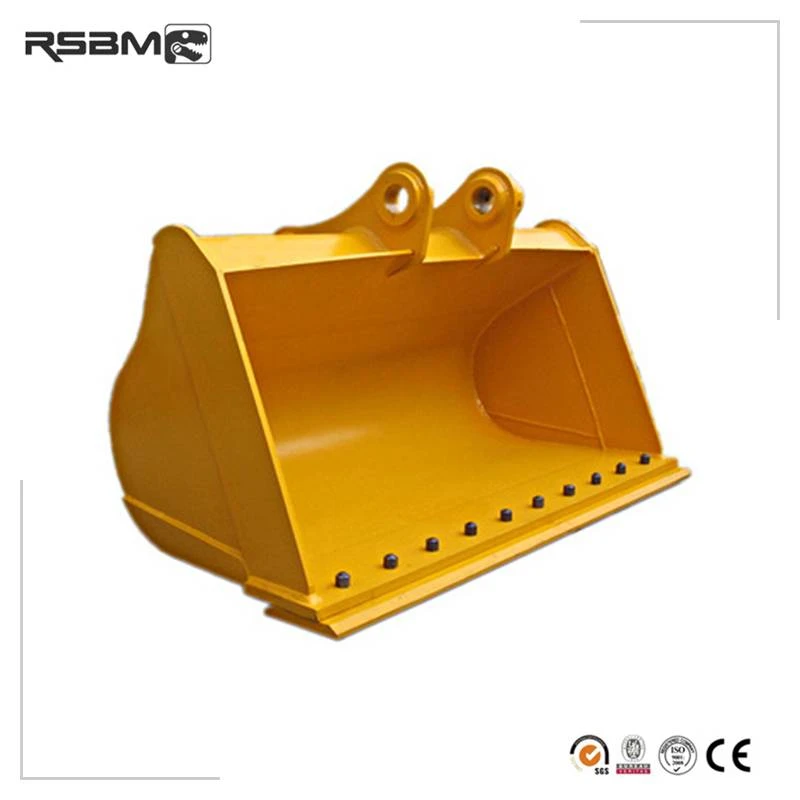
Surface finishing, slopes and channels: compare width, edge profile and the need for tilt.
Compare suitable bucket typesUse this comparison to understand the differences. Open a product for its specifications.
| Product type | Working task | What to compare | Product details |
|---|---|---|---|
| General-purpose bucket |
|
| View product |
| Heavy-duty bucket |
|
| View product |
| Rock bucket |
|
| View product |
| Heavy-duty rock bucket |
|
| View product |
| Narrow trenching bucket |
|
| View product |
| Ditch-cleaning / grading bucket |
|
| View product |
| Tilting bucket |
|
| View product |
| Trapezoidal ditch bucket |
|
| View product |
| Skeleton bucket |
|
| View product |
| Rotary screening bucket |
|
| View product |
Identify soil, gravel, rock or mixed debris and how abrasive it is.
Compare shell reinforcement, cutting edge, teeth and wear protection.
Consider the required excavation profile together with material density, bucket weight and machine limits.
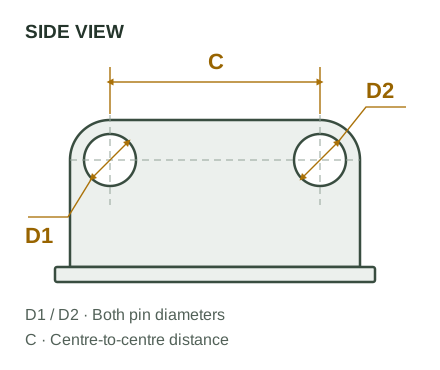
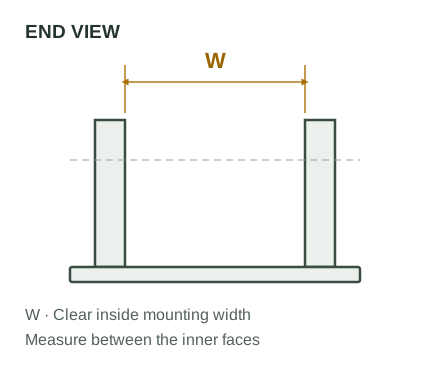
Check the mounting method; use the measurement diagrams below for pin-on connections.
For tilting or driven screening buckets, also check hydraulic flow, pressure and the required connections.
Use the material specification for the selected configuration; steel grade alone does not define bucket duty.
Published bucket ranges use different structural steel grades. Compare the specified grade, plate layout and reinforcement for the individual configuration.
Wear-resistant plate and additional wear protection are specified for areas exposed to abrasion. Check their location and layout for the intended material.
Compare teeth, adapters, side cutters, wear strips, blocks and angles together with bucket weight and working clearance.
Send the machine make and model, operating weight and pin-on or coupler drawing. Powered buckets also need their hydraulic requirements checked.
Practical answers about duty, sizing and installation.
Manufacturer names overlap. Compare actual reinforcement, teeth, wear protection and the intended material rather than selecting by the label alone.
No. Excavator weight is a starting point. Check mounting dimensions, attachment weight, material density, machine limits and the working task together.
Capacity alone does not establish suitability. A larger or heavier bucket must still fit the machine's working limits and the material being handled.
Confirm the coupler make, model and interface drawing. Pin diameter, centre distance and clear mounting width must match that specific connection.
A fixed digging bucket has no separate powered mechanism. Tilting and driven screening designs require the hydraulic connections specified for that product.
Send the excavator and coupler make and model, an available drawing and clear connection photos. Final dimensions should be checked against the actual interface drawing.
Tell us the material you will be digging or handling and your excavator make and model. Include the required bucket width or capacity if known. We can help you choose a suitable bucket type.